

Distributors are often essential to scaling a brand. They expand geographic reach, support retail placement, and accelerate revenue growth. On paper, the model makes sense: you move product in volume, they move it into the market.
Table of Contents
- What Are Unauthorized Sellers?
- Is It Legal for Buyers to Purchase from Unauthorized Sellers?
- What Are the Risks of Buying from Unauthorized Sellers?
- Is It Ever Illegal to Buy from Unauthorized Sellers?
- The Brand Perspective: Why Unauthorized Sellers Matter
- What Can Buyers Do to Protect Themselves?
- For Brands: How to Educate and Protect Your Customers
- Conclusion: Legal, But Not Without Risk
The answer is mostly yes — but with important caveats, brand risks, and consequences that go far beyond the letter of the law.
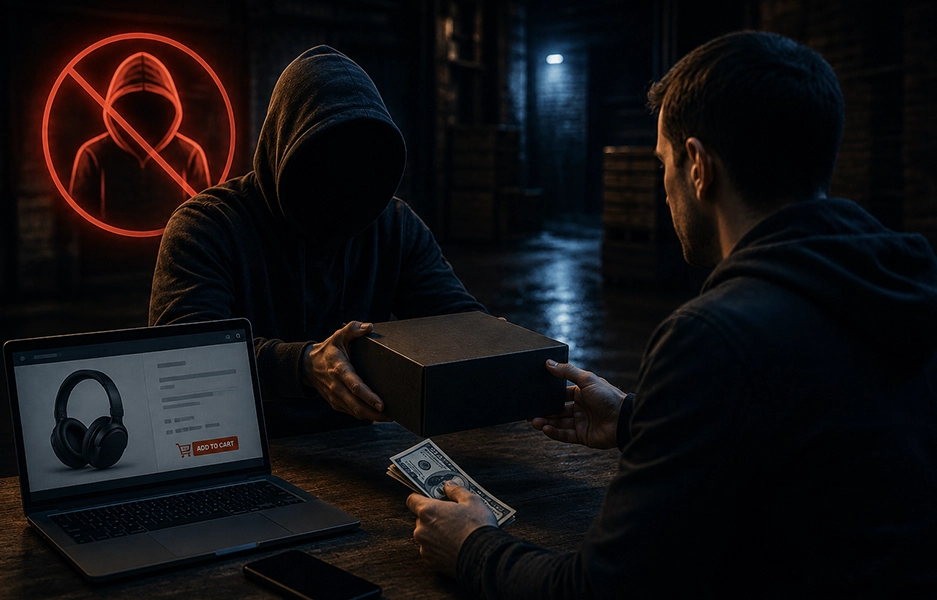
What Are Unauthorized Sellers?
An unauthorized seller is any individual or business reselling branded products without official approval from the brand or manufacturer. This might include:
- Marketplace resellers who source inventory through arbitrage, liquidation, or the grey market and list it on platforms like Amazon, Walmart, or eBay.
- Retailers outside the authorized channel, who obtain genuine goods through secondary distributors or supply chain leaks.
- International importers selling versions of a product intended for another country or region (parallel imports).
Key distinction: Unauthorized sellers offer genuine products — they are not necessarily selling fakes or counterfeits. But they lack brand approval, may ignore pricing rules (MAP), and typically don’t provide brand-backed support or warranties.
Is It Legal for Buyers to Purchase from Unauthorized Sellers?
In the United States, it is generally legal for consumers and businesses to buy goods from unauthorized sellers. There are no laws that prohibit the purchase of genuine, non-restricted products from these sources.
U.S. law (including the First Sale Doctrine) allows for the free resale and purchase of genuine goods after their initial sale, regardless of the supply chain. Marketplaces like Amazon facilitate this by allowing multiple sellers to offer the same product, creating competition on price and availability.
However: just because it’s legal doesn’t mean it’s always wise — for buyers or brands.
What Are the Risks of Buying from Unauthorized Sellers?
1. No Brand Warranty or Support
Most brands only honor warranties, service, and support for purchases made through authorized channels. Buy from an unauthorized seller, and you might be on your own if something goes wrong.
2. Higher Risk of Counterfeit or Tampered Products
Unauthorized sellers may unknowingly (or knowingly) mix in counterfeit, “open box,” or returned items. As a buyer, you risk getting a product that isn’t truly new or authentic, even if the listing claims so.
3. Product May Be “Materially Different”
Goods sold by unauthorized sellers may lack U.S. instructions, accessories, or have packaging and serial numbers that differ from authorized stock. This can make support, repairs, or parts replacement difficult.
4. Lack of Accountability and Poor Service
Unauthorized sellers may be less responsive to issues, and brands have little leverage to intervene. If there’s a problem, the buyer often bears the burden of resolving it — sometimes through the marketplace, sometimes not.
5. No Recourse for MAP or Policy Violations
Buying from unauthorized sellers contributes to MAP violations, hurting brand integrity and authorized channels. This can destabilize the entire market for a product and erode long-term value.
Is It Ever Illegal to Buy from Unauthorized Sellers?
For most consumer goods, no. But there are exceptions:
- Regulated products: Buying prescription drugs, medical devices, or items restricted by law from unauthorized sources may be illegal and dangerous.
- Stolen goods: Knowingly purchasing stolen products is a crime. Most reputable marketplaces screen for this, but risk remains with off-platform purchases.
- Counterfeits: If an unauthorized seller is actually selling fakes, the purchase may implicate both parties — especially in commercial quantities.
For ordinary electronics, apparel, or consumer goods, the risk is usually not legal — but practical and financial.
The Brand Perspective: Why Unauthorized Sellers Matter
Brands have good reasons to discourage buying from unauthorized sellers:
- Price erosion and channel conflict: Unauthorized sellers often ignore MAP, undercutting authorized partners and hurting everyone’s profitability.
- Customer experience risk: Negative experiences from poor support, missing components, or defective products damage brand reputation — even if the sale was “legal.”
- Loss of control: Brands lose the ability to monitor, track, and improve the post-sale experience.
Brands use monitoring software, MAP enforcement, test buys, and supply chain investigations to limit unauthorized sales and educate buyers.
What Can Buyers Do to Protect Themselves?
If you’re a consumer or business purchasing branded goods online:
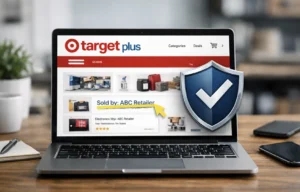
- Check the Seller’s Status: Prefer authorized resellers listed on the brand’s website or on official marketplaces.
- Verify the Warranty: Look for explicit brand statements about warranty validity and post-sale support.
- Read Reviews Carefully: Low ratings for “used,” “defective,” or “missing parts” are red flags.
- Keep Documentation: Save receipts, communication, and product information in case you need to dispute the purchase.
- Beware of Prices That Are Too Good to Be True: Extreme discounts may signal grey market or counterfeit inventory.
For Brands: How to Educate and Protect Your Customers
- Publish an Authorized Seller List: Make it easy for customers to verify authorized partners.
- Communicate Warranty Policy Clearly: State which purchases are covered and which are not.
- Invest in MAP and Unauthorized Seller Monitoring: Automated tools and dedicated enforcement keep your brand and customers safer.
- Take Action on Marketplaces: Use Brand Registry, test buys, and reporting tools to address unauthorized listings.
Conclusion: Legal, But Not Without Risk
Is buying from unauthorized sellers legal? In the U.S., yes — if the products are genuine and not otherwise restricted. But buyers and brands both face real risks when straying outside the authorized channel.
Smart buyers stick to authorized sources for peace of mind, warranty, and reliable service. Brands, meanwhile, need to educate, monitor, and enforce to maintain integrity and customer trust.
If your brand needs expert help limiting unauthorized sales and protecting the buyer experience, Brand Alignment specializes in proactive channel control. Contact our team for tailored solutions in today’s complex e-commerce environment.
This article is for informational purposes only and does not constitute legal advice. For specific legal concerns, consult with an attorney experienced in consumer protection and e-commerce law.
Thank you for reading our post, ‘Is Buying from Unauthorized Sellers Legal?’ We hope you found it helpful.
Take control of your marketplace presence with fast, effective brand protection strategies.
Every day, unauthorized sellers and MAP violations can erode your pricing, reputation, and revenue. Don’t wait for problems to escalate, start enforcing your policies and reclaim your market authority with our proven tools and expert support.
 Brand Alignment