

If you’re a brand, manufacturer, or just a curious shopper, you might have wondered: How do huge pallets of goods end up for sale on Amazon?
The answer reveals how modern supply chains, liquidation markets, and online reselling intersect. For brands, understanding this process is critical because pallet liquidation is one of the main ways unauthorized sellers acquire inventory and begin listing products online.
This is why many companies include marketplace diversion within their broader Amazon brand protection strategy, especially when unexplained sellers begin appearing on their listings.
What Are Liquidation Pallets?
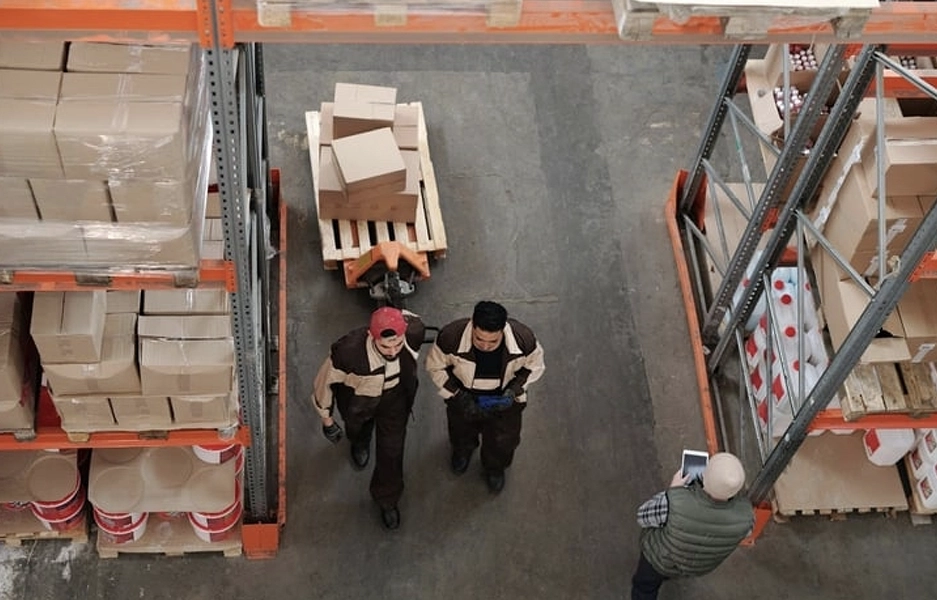
A liquidation pallet is a bulk lot of goods sold off by retailers, manufacturers, or distributors. These pallets often contain mixed categories, brands, and product conditions. Typical pallet contents include:- Customer returns from retailers such as Amazon, Walmart, or Target
- Overstock or shelf-pull inventory
- Discontinued or seasonal merchandise
- Open-box or “like new” products
How Do Pallets Reach Amazon Sellers?
1. Retailers Bundle Returns and Unsold Inventory
Large retailers accumulate enormous volumes of returned and unsold goods. Processing every item individually is expensive, so companies frequently bundle these products into pallets and sell them to liquidation buyers.
This inventory may include returned items, excess stock, or products that retailers no longer want to carry.
2. Liquidation Platforms and Auctions
Major liquidation platforms such as B-Stock or Liquidation.com run auctions where buyers can purchase pallets or truckloads of inventory.
Many of these buyers are professional resellers who specialize in purchasing discounted inventory and relisting those items online.
Once the inventory is acquired, sellers often list products using existing Amazon ASINs. This is one reason brands suddenly discover new sellers on their listings and start investigating unauthorized third-party sellers on Amazon.
3. Bin Stores and Return Stores
Pallets of returned goods frequently end up in “bin stores” where products are sold individually at extremely low prices.
Small resellers and side hustlers often purchase these items and relist them on Amazon or other marketplaces.
4. Local and Regional Liquidators
There is also a large network of liquidation brokers and wholesale warehouses that buy pallets in bulk and resell them to smaller sellers.
Once the products are broken down and redistributed, it becomes very difficult for brands to track where the inventory originally came from.
Why Do So Many Pallet Items End Up on Amazon?
Low barriers to entry. Amazon allows sellers to list products using existing product pages, making it easy to resell items acquired through liquidation.
Massive return volumes. E-commerce returns generate enormous amounts of excess inventory that must be resold or liquidated.
Seller tools and data. Many liquidation platforms provide manifests, UPC data, and estimated profit margins, making it easier for resellers to evaluate pallet purchases.
This is also why brands sometimes wonder why their product appears on Amazon even when they never authorized the seller.
The Risks for Brands
Used Products Sold as New
Returned or open-box items may be listed as new on Amazon. Customers then receive damaged or incomplete products, leaving negative reviews that impact the brand rather than the seller.
Price Erosion and MAP Violations
Liquidation inventory is typically sold at deep discounts. When resellers list these items online, they often trigger MAP violations and price instability.
Many brands address this problem by implementing Amazon MAP monitoring to detect pricing issues early.
Buy Box Instability
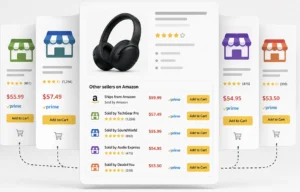
Additional sellers competing on a listing can destabilize Buy Box ownership and reduce margins.
If you are unfamiliar with the mechanics behind this competition, it helps to understand how the Amazon Buy Box works.
Counterfeit and Gray Market Risks
Some pallets contain expired, foreign-market, or counterfeit goods. If these products appear on Amazon, they create serious legal and reputational risks for brands.
What Can Brands Do?
Monitor Marketplaces
Brands should monitor sellers, pricing activity, and reviews to identify when liquidation inventory begins impacting their listings. Many companies use global Amazon price monitoring services to detect unusual seller activity across marketplaces.
Enforce Product Condition Policies
Listings that advertise returned or used products as “new” can often be reported as policy violations.
Investigate Unauthorized Sellers
When pallet inventory begins affecting listings, brands may need to remove unauthorized sellers on Amazon to restore pricing stability.
Improve Returns Processing
Better return processing and inventory control can reduce the amount of defective or unsuitable products entering liquidation channels.
Track Inventory
Serial numbers, lot tracking, and distributor audits can help identify where diverted inventory originates.
Final Thoughts
The path from warehouse shelf to Amazon listing can be surprisingly short. Liquidation pallets move through multiple intermediaries before eventually reaching online sellers.
For brands, the challenge is maintaining control over pricing, product quality, and customer experience in a marketplace fueled by secondary inventory.
Curious about how pallets of your brand’s products might be impacting your sales, reviews, and channel strategy? Contact Brand Alignment for a full marketplace audit, contact us.
Take control of your marketplace presence with fast, effective brand protection strategies.
Every day, unauthorized sellers and MAP violations can erode your pricing, reputation, and revenue. Don’t wait for problems to escalate, start enforcing your policies and reclaim your market authority with our proven tools and expert support.
 Brand Alignment