

As Target continues expanding its third-party marketplace—Target Plus—more brands are asking an important question: “Do unauthorized sellers on Target exist on Target the same way they do on Amazon or Walmart?”
The short answer is: yes—but the dynamics are very different.
Target Plus is a curated 3P marketplace with a high barrier to entry. That changes how unauthorized sellers appear, how they behave, and how brands should respond.
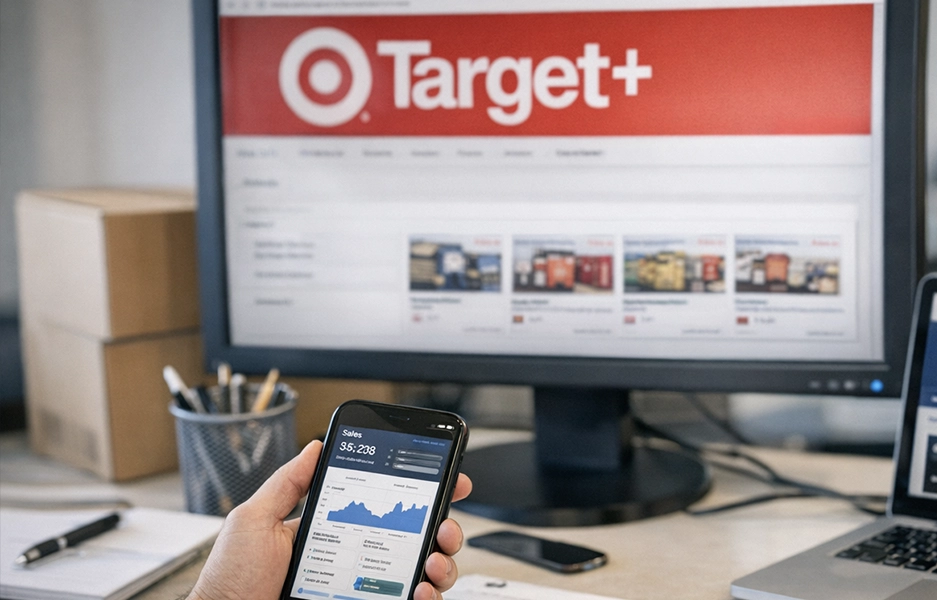
Understanding Target Plus: A Different Type of 3P Marketplace
Unlike open marketplaces, Target Plus operates on an invitation-only model. Sellers are vetted, approved, and onboarded by Target’s internal team. This creates two important conditions:- Most sellers are legitimate, established businesses
- Seller identities and contact information are transparent and accessible
How Unauthorized Sellers Still Appear on Target Plus
Even in a controlled marketplace, unauthorized sellers can enter the ecosystem through supply chain gaps—not platform loopholes.
Here’s what we typically see:
1. Diversion from Authorized Channels
A seller may be legitimate—but not authorized by your brand.
They often acquire inventory through:
- Distributors selling outside agreed territories
- Retail arbitrage or liquidation channels
- Overstock or excess inventory leaks
This is classic grey market behavior: authentic product, unauthorized channel. In many cases, the issue starts with weak upstream controls, which is why a distribution control strategy for brands matters long before the listing appears.
2. “Authorized Somewhere, Unauthorized Here”
Some Target Plus sellers are:
- Authorized for brick-and-mortar or other marketplaces
- Not authorized for Target
But they list anyway—because the opportunity is there.
This creates:
- Channel conflict
- Pricing inconsistency
- MAP breakdowns
This is one reason brands dealing with Target Plus often face many of the same challenges covered in how to remove unauthorized sellers on Amazon, even if the seller environment looks more controlled.
3. Clean Presentation, Hidden Risk
Unlike Amazon, where bad actors often hide behind anonymous storefronts, Target Plus sellers typically:
- Use real business names
- Provide verifiable contact details
- Maintain professional storefronts
This makes enforcement easier—but also means issues are less obvious at first glance.
Why Unauthorized Sellers Still Matter on Target Plus
Some brands assume:
“If the seller is legitimate, is it really a problem?”
The answer is yes—and here’s why.
1. MAP Violations Still Occur
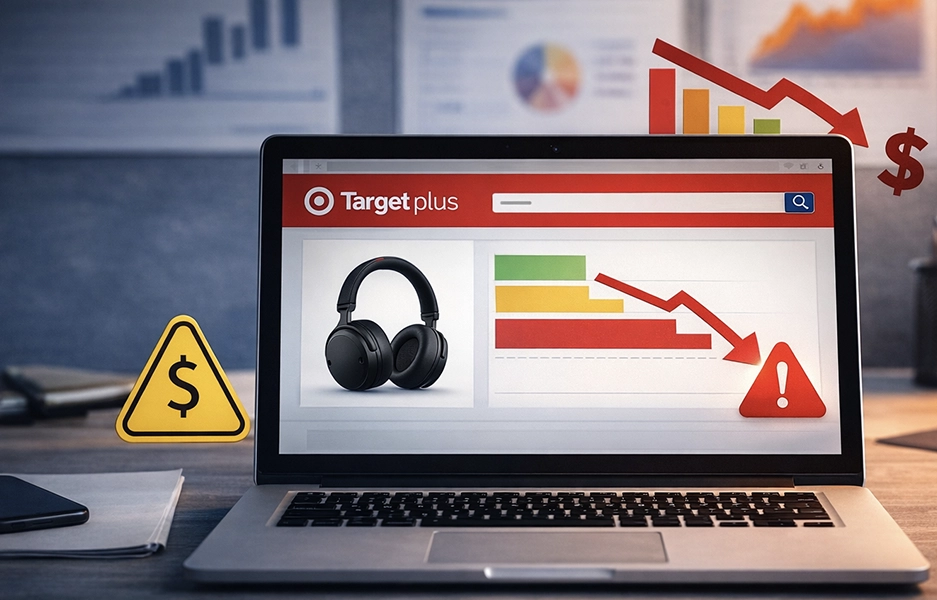
Unauthorized sellers have no obligation to follow your MAP policy, which leads to:
- Undercutting pricing
- Triggering price matching across marketplaces
- Causing price cascading
Unauthorized sellers are one of the most common drivers of MAP violations across marketplaces. This is why brands often pair seller control with MAP monitoring software or more active Target Plus MAP enforcement strategies.
2. Channel Conflict with Authorized Partners
When unauthorized sellers appear:
- Authorized retailers lose sales
- They begin to question your enforcement
- They may reduce orders—or violate MAP themselves to compete
This creates a downward pricing spiral.
3. Brand Perception Erosion
Even on a premium platform like Target:
- Inconsistent pricing damages perceived value
- Customers lose trust in pricing integrity
- Your positioning as a premium brand weakens
4. Loss of Marketplace Control
The real issue isn’t just one seller—it’s loss of control over distribution.
Once one unauthorized seller succeeds:
- Others follow
- Supply chain leaks expand
- Enforcement becomes reactive instead of proactive
As we often say internally:
If they have inventory, the problem started earlier in the supply chain.
The Advantage: Enforcement Is Easier on Target Plus
Here’s the key difference—and opportunity.
Because Target Plus sellers are vetted and transparent:
You can actually communicate with them
- Direct outreach is possible
- Cease-and-desist letters are more effective
- Sellers are more likely to comply
Compare that to anonymous marketplace sellers using shell LLCs and fake identities—Target Plus is far more manageable. In many cases, brands can stop unauthorized sellers without costly lawsuits when the seller is visible and reachable.
What Brands Should Do Next
The goal isn’t just to remove sellers—it’s to restore control.
Here’s the strategic approach we recommend:
1. Identify the Source (Not Just the Seller)
Start with:
- Where is this seller getting inventory?
- Is it a distributor, retailer, or liquidation channel?
Without addressing the source, removal becomes temporary. In more persistent cases, brands may need a grey market supply chain investigation.
2. Establish Clear Authorization Boundaries
Make sure your:
- Distributor agreements define marketplace permissions
- Target Plus is explicitly addressed
- Violations have consequences
This reduces “grey area” selling.
3. Enforce Through Structured Communication
Because sellers are legitimate businesses:
- Start with professional outreach
- Request proof of authorization
- Escalate only if needed
A structured, graduated approach consistently drives higher compliance.
4. Monitor Pricing and Seller Activity
You need visibility into:
- Who is selling your products
- At what price
- On which marketplaces
Without monitoring, issues go unnoticed until they impact revenue. That is especially true when the same seller patterns also show up on Amazon, as seen in cases involving unauthorized third-party sellers on Amazon.
5. Take a Proactive, Not Reactive Approach
Most brands wait until:
- MAP is broken
- Partners complain
- Sales decline
By then, the problem has already scaled.
The stronger strategy is:
- Prevent unauthorized access to inventory
- Enforce early and consistently
- Maintain pricing integrity across all channels
Brands that need more direct support often use services like unauthorized seller removal and marketplace-specific enforcement programs to keep issues contained before they spread.
Final Takeaway
Target Plus is a more controlled marketplace—but not a protected one.
Unauthorized sellers still appear.
They’re just:
- More legitimate
- More visible
- And easier to engage
For brands, that creates an opportunity:
With the right strategy, Target Plus can be one of the easiest marketplaces to control—if you act early and enforce consistently.

 Brand Alignment