

If you’re a brand owner selling on Amazon, you know how valuable your product listings and the Buy Box truly are. But what happens when your listing is hijacked—not by a counterfeiter, but by a third-party seller offering your real, authentic product? This is more than just a nuisance: it’s a persistent threat known as “listing hijacking” or, in marketplace terms, piggybacking. Both terms describe the same scenario: an unauthorized seller attaches to your listing, often undercutting your price, and siphons away sales—sometimes with inventory as real as your own. For a broader overview, start with our pillar guide on how to deal with an Amazon hijacker.
Table of Contents
What Is Piggybacking (aka Listing Hijacking) on Amazon?
Piggybacking is when a third-party seller “rides” your ASIN, selling the identical product on your listing. Unlike counterfeiters, these sellers aren’t creating fake goods—they’re leveraging loopholes in distribution or supply to source authentic inventory and list against your catalog page. For consumers, it’s almost impossible to spot the difference, but for brands, the impacts are anything but subtle. Amazon allows multiple sellers to list under the same ASIN as long as the product matches. This marketplace openness, while great for competition, means any seller who gets their hands on your real product can piggyback your listing, often offering a lower price or different fulfillment experience. This undermines brand control and, over time, erodes the integrity of your channel. If you want the clearest explanation of this behavior, see our article on Amazon seller piggybacking.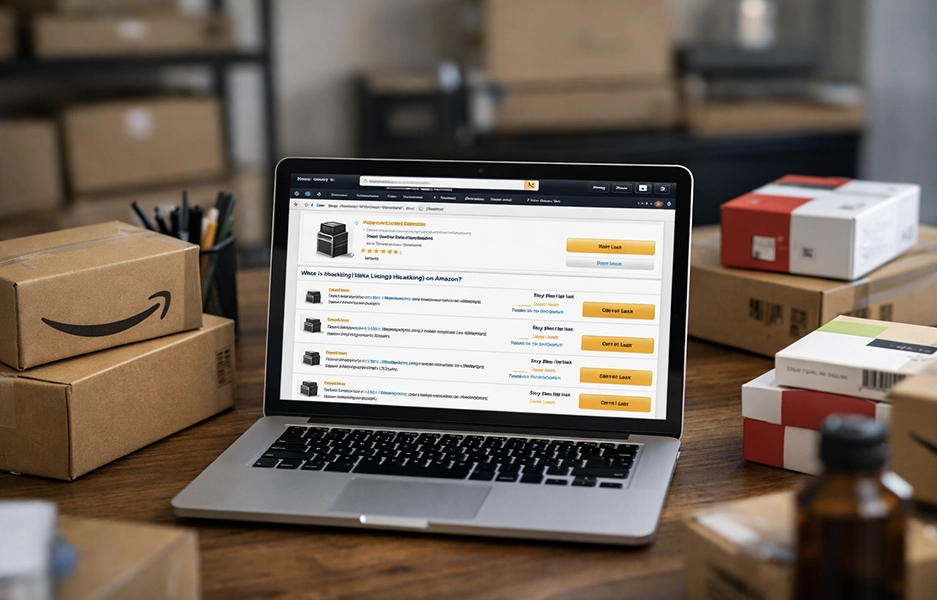
How Do Piggybackers and Hijackers Get Authentic Product?
- Gray Market Diversion: Goods intended for certain retailers or overseas markets are resold domestically, often by unauthorized sellers exploiting pricing gaps or weak contract enforcement. This is closely related to the issue covered in how hijackers can sell authentic product.
- Liquidation & Overstock: Inventory from failed promotions, store closings, or overstocked distributors is sold off and makes its way online. Many brands discover this pattern when analyzing how pallets end up on Amazon.
- Retail Arbitrage & Stacking: Opportunists buy discounted products during sales or by stacking coupons, then resell them for a profit on Amazon.
- Authorized Seller Leaks: Sometimes, even your own retail partners or distributors may quietly resell inventory to piggybackers—violating agreements but difficult to trace without detailed channel monitoring.
Why Is Piggybacking a Problem If the Product Is Real?
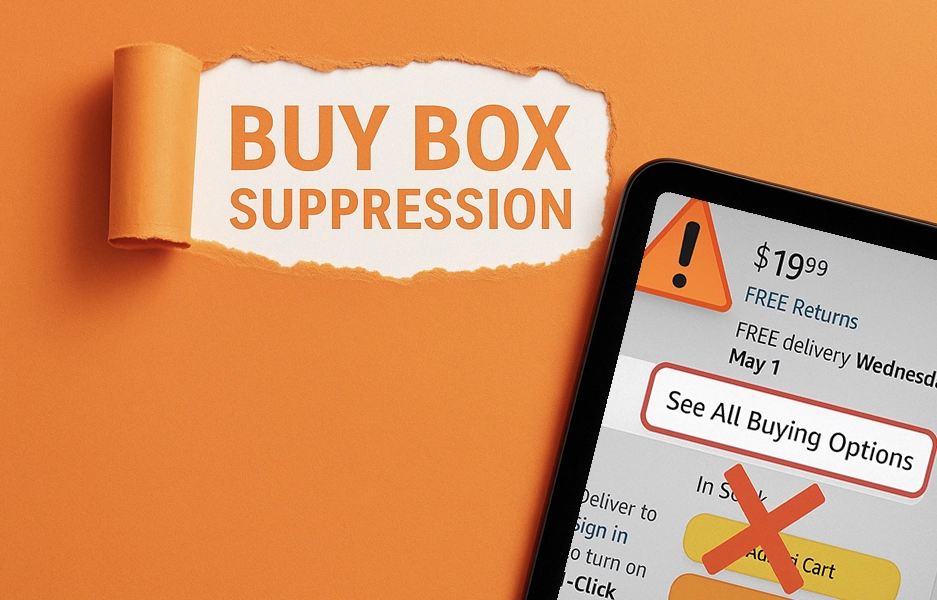
Some might argue: if the end customer gets the real thing, where’s the harm? Here’s why piggybacking and hijacking create major headaches for brands:- Buy Box Loss & Revenue Impact: Piggybackers often undercut your price, winning the Buy Box. You lose sales even when you have inventory and a perfect seller record.
- MAP Erosion & Channel Conflict: Piggybackers rarely honor your Minimum Advertised Price (MAP) policy. This triggers price wars, damaging authorized seller relationships and pushing your whole channel into a “race to the bottom.”
- Negative Brand Experience: If a piggybacker provides slow shipping, mishandles returns, or offers poor customer service, negative reviews land on your listing—not theirs. Customers often blame your brand, not the unauthorized seller.
- Data and Forecasting Chaos: With fragmented sales data and inconsistent pricing, it becomes nearly impossible to plan promotions, forecast demand, or invest confidently in channel partners.
Why Doesn’t Amazon Stop Piggybacking?
Due to the First Sale Doctrine in U.S. law, anyone who legally buys a genuine product can resell it. Amazon’s policy is agnostic to your distribution agreements: unless the item is materially different, defective, or violates Amazon’s own rules, the marketplace doesn’t get involved. That’s why piggybackers are so difficult to remove through conventional channels. This is also why brands often find themselves dealing with an Amazon hijacker that is not counterfeit.Brand Alignment’s Approach: Diagnose, Trace, Enforce, Prevent
Our experience shows that piggybacking is never “just the cost of doing business.” With the right data, strategy, and enforcement tools, brands can regain control—even in tough cases where the product is real and the seller is persistent.1. Diagnose the Issue
- Comprehensive Marketplace Monitoring: Map every seller on your listings, including frequency of MAP violations and Buy Box ownership.
- Source Analysis: Use test buys and batch tracing to figure out how piggybackers are getting your goods.
2. Trace the Leak
- Supply Chain Forensics: Serial number and lot tracking can identify which distributors or regions are feeding piggybackers.
- Distributor Audits & Agreements: Require sell-through reporting and clear “Do Not Sell” lists in your contracts to close known gaps.
3. Strategic Enforcement
- Cease & Desist Campaigns: Send structured, escalating notices to piggybackers. For persistent violators, combine legal warnings with Amazon Brand Registry escalation if IP is being misused.
- MAP Monitoring: Automated alerts and audit-ready documentation make compliance easier to enforce across your channel.
4. Proactive Prevention
- Channel Transparency: Enforce tighter controls over who can order, including purchase limits and distributor vetting.
- Ongoing Audits: Schedule periodic reviews and test buys to spot new piggybackers before they cause major harm.
Results: Control = Revenue
Brands using this data-driven approach see results: over 90% Buy Box control, restored MAP pricing, better channel relations, and, most importantly, renewed confidence in their brand’s future. Piggybacking and hijacking don’t have to be an inevitable cost of Amazon growth. With strategic monitoring, supply chain discipline, and targeted enforcement, brands can reclaim their listings, protect their margins, and deliver a consistent customer experience. Would you like to see how Brand Alignment helps brands remove piggybacking hijackers—while recovering lost Buy Box share? Connect with our team here
Thank you for reading our post, “Amazon Hijacker Not Counterfeit” We hope you found it helpful.


 Brand Alignment