

As e-commerce becomes the primary battleground for brands, the question “Is it legal to restrict online sales?” comes up again and again — especially among manufacturers, executives, and marketplace teams facing price erosion, unauthorized sellers, or grey market diversion.
The short answer: Yes, brands can restrict online sales in some circumstances, but there are important limits and risks. Let’s break down the legal basics, what’s allowed, and how to build a resilient online sales strategy.
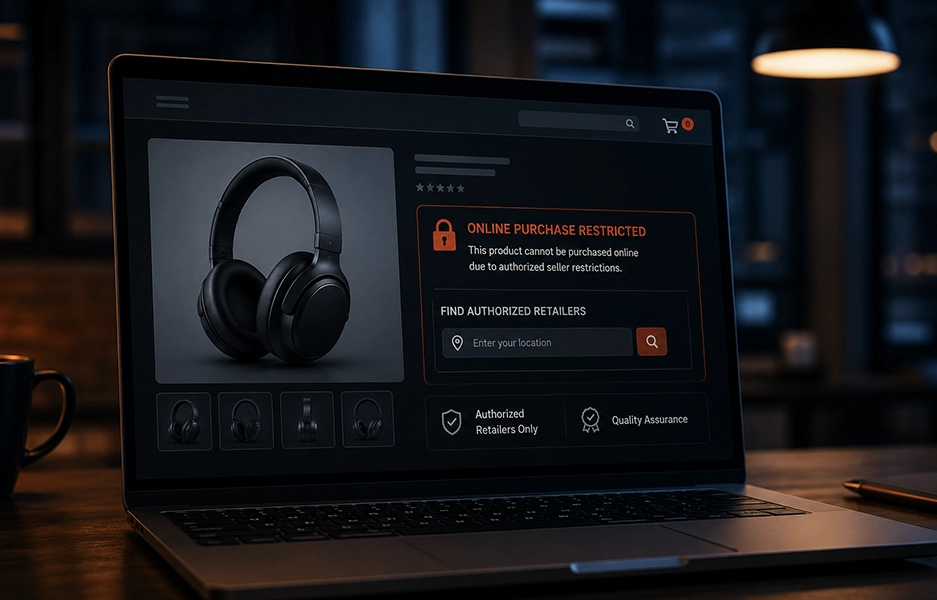
Why Do Brands Want to Restrict Online Sales?
Controlling where and how products are sold online helps brands:
- Protect MAP Pricing: Limit price wars and prevent “race-to-the-bottom” discounting.
- Safeguard Brand Reputation: Ensure customer experience, product authenticity, and warranty support.
- Manage Channel Conflict: Keep authorized distributors happy and avoid lost revenue to rogue resellers.
- Prevent Grey Market and Diversion: Stop products intended for one market from leaking onto global e-commerce sites.
But as tempting as it may be to “lock down” online sales, U.S. law draws clear lines around what’s permitted — and what crosses into antitrust or unfair competition.
U.S. Law: The Basics of Restricting Online Sales
1. Direct Sales Agreements
Brands can legally limit who they sell to and under what terms by using direct, written contracts with distributors and retailers — the core of “selective distribution.” You can authorize only certain partners to sell online, require compliance with brand, MAP, and quality standards, and limit sales to approved websites or specific platforms.
You cannot impose resale restrictions on buyers outside your contract chain (see First Sale Doctrine), or force third parties to stop selling genuine goods they’ve lawfully acquired. If a distributor or retailer violates a direct agreement, it’s a breach of contract — brands can cut them off, sue for damages, or refuse future supply.
2. The First Sale Doctrine and Resale Rights
The First Sale Doctrine is central to U.S. law. Once a genuine product is sold, the buyer usually has the right to resell it — even online — regardless of brand preferences. You can’t generally prevent a consumer or “downstream” seller from listing your product on Amazon, eBay, Walmart.com, or other marketplaces if they bought it legally and it’s unaltered. Your legal power is strongest over your direct customers — not over every future reseller.
3. Antitrust Law and Online Sales Restrictions
U.S. antitrust law prohibits anti-competitive agreements. You can’t “conspire” with competitors to fix prices or restrict trade. Selective distribution (choosing only some authorized online sellers) is usually legal if applied fairly, documented, and justified by brand protection, customer service, or quality reasons. Blanket bans or agreements among competitors to block certain channels are illegal.
4. MAP (Minimum Advertised Price) Policies
Brands often use MAP policies to keep online prices consistent. MAP is legal when applied unilaterally — brands can state conditions for doing business with resellers who advertise above a certain price. MAP policies must be applied consistently — not as a secret agreement or collusion with resellers. Caution: You can’t use MAP to control the actual resale price (that’s called Resale Price Maintenance, or RPM), which carries much higher antitrust risk.
5. Online Marketplace Tools and Brand Registry
Marketplaces like Amazon and Walmart allow brands to apply for brand gating (limiting who can list certain products), report IP violations, counterfeits, or materially different items, and remove listings for unauthorized use of brand assets, photos, or misleading product claims. These are policy tools — not legal restrictions — but they are extremely effective in practice for online channel control.
International Considerations
Laws on restricting online sales differ worldwide:
- European Union: Stricter about selective distribution, but generally allows brands to require authorized partners for online sales — provided it’s justified and non-discriminatory.
- China, Canada, and Other Markets: Rules vary. Always check local law before setting international policies.
Brand Best Practices: Restricting Online Sales Effectively
1. Vet and Contract With All Authorized Partners
Use clear contracts specifying which channels are permitted, MAP expectations, and consequences for violations. Revisit contracts regularly as online sales channels evolve.
2. Monitor the Market
Use MAP and unauthorized seller monitoring tools to spot leaks and enforce policy. Set up a routine for test buys and supply chain audits.
3. Enforce Consistently
Take swift, uniform action on violations. This protects brand credibility and minimizes legal risk.
4. Use Platform and Policy Levers
Leverage Amazon Brand Registry, eBay VeRO, and other marketplace brand protection tools to remove unauthorized or infringing listings. Apply for gating where available and provide clear documentation to the platform.
5. Educate Your Channel
Ensure authorized partners understand your online sales policies and why channel control matters for everyone’s long-term success.
What Brands Cannot Do
- Ban all online resale entirely: You can’t override the First Sale Doctrine for downstream resellers.
- Collude with competitors: No anti-competitive agreements or price-fixing.
- File false IP complaints: Only pursue takedowns with real evidence — false claims expose brands to legal and platform risk.
The Bottom Line
Is it legal to restrict online sales? Yes — for your authorized channel, using contracts and platform tools. But you can’t eliminate all downstream resale or override consumer rights.
Winning brands combine tight distribution, MAP enforcement, marketplace protections, and channel education — not just legal threats — to control their online presence and protect long-term value.
If your brand needs expert support in building a resilient, compliant online channel, Brand Alignment offers tailored monitoring, enforcement, and strategy. Contact us here to learn how we help brands thrive in the modern e-commerce landscape.
This article is for informational purposes only and does not constitute legal advice. For specific legal questions, consult with an attorney experienced in e-commerce, antitrust, and distribution law.
Thank you for reading our post, ‘Is It Legal to Restrict Online Sales?’ We hope you found it helpful.
Take control of your marketplace presence with fast, effective brand protection strategies.
Every day, unauthorized sellers and MAP violations can erode your pricing, reputation, and revenue. Don’t wait for problems to escalate, start enforcing your policies and reclaim your market authority with our proven tools and expert support.


 Brand Alignment