

In a world of price wars and e-commerce disruption, brands constantly look for ways to maintain price integrity and healthy reseller relationships. Minimum Advertised Price (MAP) policies are now at the center of that strategy. But are they actually legal? What should your brand consider before implementing or enforcing MAP?
It’s no surprise that brand managers, executives, and e-commerce teams frequently ask: Is it legal to stop resellers? Can we actually prevent them from listing or selling our products?
The answer: Brands can limit — but rarely outright ban — resale by third parties. Effective channel control is possible, but only within the boundaries of U.S. law. Here’s what brands, authorized partners, and even potential resellers need to know.
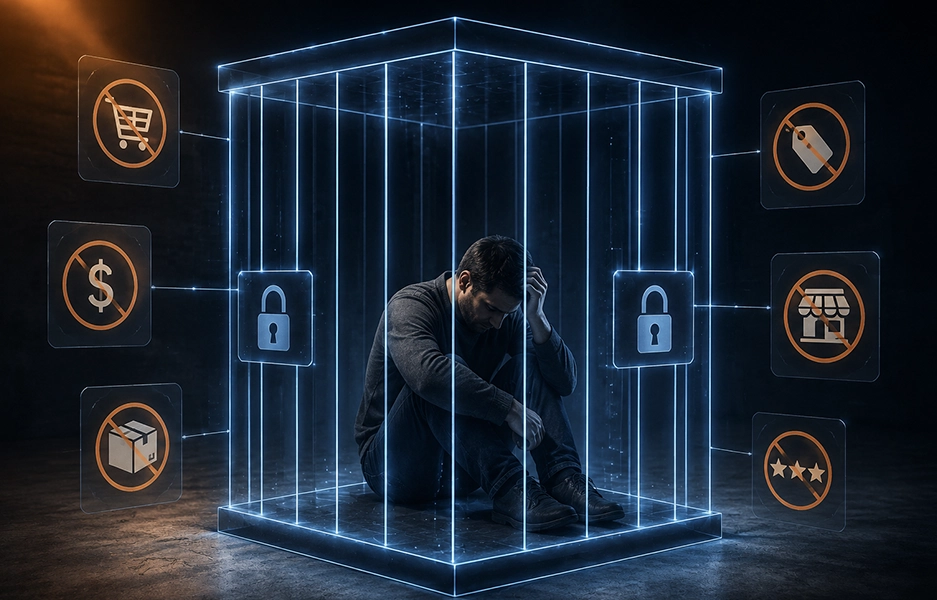
Why Do Brands Want to Stop Resellers?
Brands invest years building market share, pricing consistency, and trusted reseller relationships. When unauthorized resellers pop up, they can cause:
- MAP Violations: Resellers who don’t honor Minimum Advertised Price policies erode margins and upset authorized partners.
- Loss of Buy Box: On platforms like Amazon, the lowest price wins. Unauthorized sellers frequently win the Buy Box, pulling sales and visibility away from the brand and authorized distributors.
- Customer Service Risks: Products may be outdated, missing parts, or lack warranty support, leading to negative reviews — damaging the brand’s reputation, not the unauthorized seller’s.
- Brand Dilution: Unregulated discounting sends the message that your product is a commodity, undermining premium positioning and long-term value.
U.S. Law: The First Sale Doctrine
The First Sale Doctrine is the foundation of U.S. resale law. It says that once a brand sells a genuine product, the buyer can usually resell it without needing the brand’s permission. This rule is why so many unauthorized sellers can legally list products on Amazon, eBay, Walmart, and beyond — even if the brand objects.
- Brands cannot simply “ban” all unauthorized resellers.
- Resale of authentic products — if unaltered — is generally legal in the U.S.
Legal Tools Brands Can Use
While the First Sale Doctrine limits what you can do, brands do have powerful — but focused — options for channel control and enforcement.
1. Distribution and Sales Agreements
Brands can contractually restrict their authorized distributors and retailers from reselling to unauthorized third parties or outside certain territories. If a distributor breaks these terms, the brand can take civil action for breach of contract — but this only applies to direct partners, not “downstream” resellers.
2. MAP Policies and Enforcement
Brands can establish and enforce MAP policies, controlling how their products are advertised by authorized partners. Violators can be cut off from supply, but MAP enforcement must be consistent and unilateral to avoid antitrust risk.
3. Amazon Brand Registry and Marketplace Tools
On Amazon, enrolling in Brand Registry provides more control over listings, helps remove inaccurate or infringing listings, and sometimes enables “brand gating” to restrict who can sell your products. Brands can report IP violations, counterfeit sales, or products that are “materially different” from genuine stock.
4. Cease & Desist Letters and Graduated Enforcement
Brands often send Cease & Desist Letters to unauthorized resellers, warning of contractual or legal violations. Many sellers — especially smaller ones — remove listings to avoid hassle or risk.
5. Trademark Law: “Material Differences” Doctrine
If a reseller sells goods that differ materially from those sold by the brand (e.g., lacking warranty, altered packaging, foreign labeling), brands may pursue legal action for trademark infringement. This is especially relevant for grey market or parallel imports.
6. Lever Rule (For Imports)
In the U.S., brands can register with Customs (CBP) under the Lever Rule to block parallel imports that are “materially different” from the U.S. version.
What Doesn’t Work Legally
Brands cannot:
- Prohibit the resale of authentic, unaltered goods by end purchasers.
- Use antitrust-problematic tactics such as collective agreements with retailers to “fix” resale prices (illegal price fixing).
- File false IP or counterfeit complaints against legitimate resellers (which exposes the brand to legal and platform penalties).
Marketplace Realities: Policy vs. Law
Even if the law allows resale, Amazon and other platforms have their own rules. Brands can request removal of listings that violate IP, use copyrighted photos, or mislead consumers, and pursue “brand gating” in high-risk categories — though this requires Amazon’s approval and is not guaranteed.
For brands, the practical path often means using both legal and policy tools — tight distribution, proactive MAP monitoring, and strong documentation — to keep unauthorized resale to a minimum.
Best Practices for Brands: Stopping Unauthorized Resale
1. Control the Supply Chain
Vet partners carefully and keep distribution tight. Use purchase limits and track serial numbers for high-risk SKUs.
2. Monitor Marketplaces
Use MAP monitoring and unauthorized seller detection software for early warning of price erosion and diversion.
3. Document and Enforce Consistently
Send structured Cease & Desist letters, escalating only as needed. Take civil action only with strong evidence and legal support.
4. Leverage Brand Registry and IP Law
Register with Amazon Brand Registry and use reporting tools for fast takedowns of IP violations.
5. Educate and Support Your Authorized Channel
Make sure partners understand your policies and the value of maintaining a controlled, premium brand presence.
For Resellers: What You Should Know
If you plan to resell branded products: only sell authentic, unaltered goods. Don’t misrepresent your relationship to the brand. Be aware that brands can still make life difficult (removal requests, warnings, buying restrictions) — even if the law is on your side. Respect all platform rules and IP rights.
The Bottom Line
Is it legal to stop resellers? Not completely — but brands have powerful tools to make unauthorized resale much more difficult.
In the U.S., you can’t absolutely “ban” all unauthorized resellers, but you can restrict your channel, enforce contracts, leverage IP rights, and use marketplace tools to regain control. Success requires a proactive, data-driven approach — monitoring, enforcement, and smart supply chain management.
If your brand is struggling with unauthorized sellers, or you want to build a comprehensive channel protection strategy, Brand Alignment specializes in effective, risk-minimized enforcement. Contact us here to learn how we help brands restore control and protect revenue.
This article is for informational purposes and does not constitute legal advice. For legal guidance, consult an attorney experienced in e-commerce and intellectual property law.
Thank you for reading our post, ‘Is It Legal to Stop Resellers? A Practical Guide for Brands.’ We hope you found it helpful.
Take control of your marketplace presence with fast, effective brand protection strategies.
Every day, unauthorized sellers and MAP violations can erode your pricing, reputation, and revenue. Don’t wait for problems to escalate, start enforcing your policies and reclaim your market authority with our proven tools and expert support.


 Brand Alignment