

As marketplaces become more complex — and gray market activity more aggressive — many brands are rethinking open distribution models.
One strategy that continues to gain traction is selective distribution.
Unlike exclusive distribution (one partner per territory), selective distribution allows multiple partners — but only those who meet clearly defined criteria.
When structured correctly, selective distribution balances reach with control. When structured poorly, it can quietly fuel the very problems it was meant to prevent.
Let’s break down the strategic advantages and risks.
What Is Selective Distribution?
Selective distribution is a channel strategy where a brand:
- Carefully vets distributors and retailers
- Authorizes only approved accounts
- Restricts resale to approved channels
- Limits who can sell on marketplaces like Amazon or Walmart
- Enforces pricing policies (MAP, UPP, MSRP, SRP)
The goal is not maximum coverage.
The goal is controlled coverage.
Instead of selling to anyone who can place a purchase order, the brand builds a curated ecosystem of trusted partners. For a deeper breakdown, see what is selective distribution and how selective distribution works.
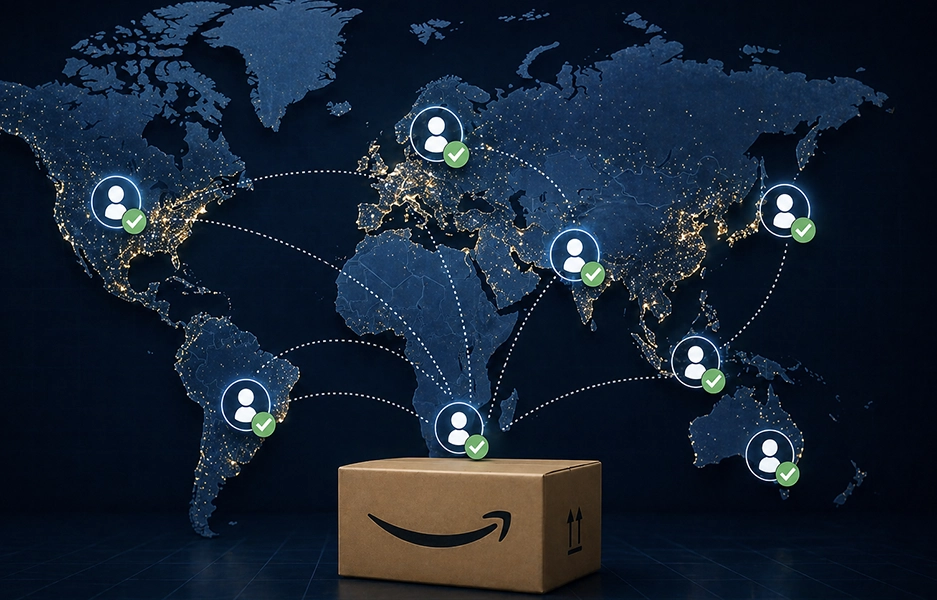
The Pros of Selective Distribution
1. Stronger Brand Control
Selective distribution allows brands to decide:
- Who can sell
- Where they can sell
- At what price they can advertise
- Which marketplaces are permitted
This reduces channel conflict and prevents uncontrolled inventory flow.
When combined with strong MAP enforcement, selective distribution significantly reduces price cascading — the downward spiral that begins when one seller violates pricing and others follow. To understand pricing structures better, see MAP, MSRP, and UPP in retail pricing.
Without structure, that spiral can permanently reset perceived value.
2. Reduced Gray Market Leakage
Most gray market problems begin with over-distribution.
Inventory moves through:
- Sub-distributors
- International arbitrage
- Parallel importers
- Excess wholesale channels
Selective distribution minimizes entry points.
When fewer accounts have access to inventory, there are fewer opportunities for diversion. Learn more about grey market risks and benefits.
However, this only works if the brand also monitors:
- Unusual purchase orders
- Territory violations
- Sell-through data
- Cross-border activity
If monitoring is absent, even a selective model can leak.
3. Better Buy Box Stability
On Amazon and Walmart, Buy Box performance is heavily influenced by:
- Price consistency
- Seller competition
- Inventory control
- External price parity
When too many sellers share a listing, Buy Box ownership becomes fragmented. Unauthorized or misaligned sellers can undercut pricing and displace authorized inventory.
Selective distribution narrows the seller pool.
Fewer sellers means:
- More stable Buy Box rotation
- Less internal undercutting
- Easier MAP compliance
But eligibility still depends on Amazon’s internal price thresholds and external price matching policies. If cross-retailer pricing is inconsistent, suppression can still occur — even in selective ecosystems.
This is why brands invest in Buy Box recovery programs and Amazon MAP monitoring.
4. Stronger Partner Relationships
When authorization is limited, partners feel protected.
They are less likely to experience:
- Sudden undercutting
- Unfair competition
- Margin erosion
As a result, authorized sellers are often:
- More willing to invest in marketing
- More cooperative in compliance
- More aligned with long-term brand strategy
Selective distribution can create loyalty — if the brand actively protects it. This aligns with building value-driven Amazon seller strategies.
5. Easier Enforcement
Enforcement becomes more precise when your authorized list is small.
If an unknown seller appears:
- It is clearly unauthorized
- You can investigate source
- You can test buy and trace
- You can escalate appropriately
Contrast that with open distribution, where it’s often unclear who supplied the product.
Selective distribution simplifies the investigative path, especially when combined with unauthorized seller removal and Amazon MAP enforcement.
The Cons of Selective Distribution
Selective distribution is not a silver bullet. It introduces its own risks.
1. Slower Market Penetration
Limiting distribution naturally limits exposure.
Brands may sacrifice:
- Rapid geographic expansion
- Volume-based incentives
- Broad retail presence
If growth strategy prioritizes short-term revenue over long-term control, selective models may feel restrictive. Compare this with using distributors: pros and cons.
2. Higher Administrative Burden
Selective distribution requires:
- Ongoing vetting
- Contract enforcement
- Territory monitoring
- Marketplace surveillance
- MAP monitoring
- Seller identity tracking
Without infrastructure, selective models become reactive rather than proactive.
Many brands underestimate the operational discipline required to maintain the system.
3. Internal Sales Conflicts
Sales teams are often incentivized by volume.
Selective distribution limits:
- The number of wholesale accounts
- The size of potential order flow
This can create tension between:
- Sales leadership (revenue-focused)
- Brand protection teams (control-focused)
Without alignment at the executive level, selective policies can erode from within.
4. False Sense of Security
One of the most dangerous risks is assuming selective distribution alone prevents gray market activity.
It does not.
Even in selective systems, leakage can occur through:
- Excess promotional inventory
- Liquidation channels (A-stock, B-stock, C-stock)
- Distributor diversion
- International pricing arbitrage
- Drop-shippers exploiting retail promos
Selective distribution reduces exposure — but does not eliminate opportunistic behavior.
Marketplace monitoring must still occur across:
- Amazon
- Walmart
- Target
- International marketplaces
- Secondary retailer sites
Visibility remains essential. This is why brands use global Amazon price monitoring and Walmart brand protection.
5. Legal Complexity
Selective distribution intersects with:
- Antitrust considerations
- Territorial restrictions
- International trade law
- First sale doctrine
- Contract enforcement
Brands must ensure agreements clearly define:
- Authorized territories
- Marketplace permissions
- Penalties for diversion
- Audit rights
- MAP/UPP enforcement standards
We are not lawyers — and brands should consult experienced legal counsel before implementing or modifying distribution structures.
Poorly written agreements weaken selective strategies.
When Selective Distribution Works Best
Selective distribution performs strongest when:
- The brand values long-term margin stability
- Pricing integrity is central to positioning
- The product has strong brand equity
- Marketplace sales are significant
- Unauthorized seller risk is high
- Serial or lot tracing is available
- Monitoring infrastructure is active
It is particularly effective in:
- Premium consumer goods
- Beauty & skincare
- Supplements
- Electronics
- Apparel
- Specialty equipment
Industries where perception equals price power. This is especially relevant when selling internationally on Amazon.
When It May Not Be Ideal
Selective distribution may struggle when:
- Products are highly commoditized
- Brand equity is weak
- Margins are thin
- Rapid market capture is required
- Internal teams lack enforcement bandwidth
In those cases, open or hybrid models may make more sense — for example comparing wholesale vs direct-to-consumer strategies or using MAP pricing approaches.
Strategic Questions to Ask Before Implementing Selective Distribution
- Do we have MAP monitoring in place?
- Can we identify unauthorized sellers quickly?
- Are we prepared to send graduated enforcement notices?
- Do we require sell-through reporting from distributors?
- Do we audit territory compliance?
- Are marketplace permissions clearly defined?
- Does leadership support enforcement — even if it reduces short-term revenue?
If the answer to several of these is no, selective distribution may fail in execution.
The Bottom Line
Selective distribution is a balance between growth and control.
Pros
- ✔ Better pricing integrity
- ✔ Reduced gray market exposure
- ✔ More stable Buy Box performance
- ✔ Stronger partner alignment
- ✔ Cleaner marketplace ecosystem
Cons
- ✖ Slower expansion
- ✖ Higher operational requirements
- ✖ Potential internal friction
- ✖ Legal complexity
- ✖ Requires constant monitoring
The structure alone does not protect your brand.
Enforcement, monitoring, and supply chain visibility do.
Selective distribution works when it is supported by:
- Clear agreements
- Active MAP enforcement
- Unauthorized seller removal
- Cross-market price monitoring
- Inventory transparency
If your brand is considering selective distribution — or struggling with unauthorized sellers despite having it in place — the issue may not be the strategy.
It may be the lack of enforcement infrastructure behind it.
Take control of your marketplace presence with fast, effective brand protection strategies.
Every day, unauthorized sellers and MAP violations can erode your pricing, reputation, and revenue. Don’t wait for problems to escalate, start enforcing your policies and reclaim your market authority with our proven tools and expert support.


 Brand Alignment