

How Brands Can Navigate Tariffs, Channel Complexity, and Customer Trust in 2024
Table of Contents
Introduction
Price integrity is no longer a “nice to have”—it’s a non-negotiable for every brand selling in today’s hyper-connected, volatile global marketplace. With new tariff increases making headlines, rapid changes in supply chain costs, and growing pressure from both discounting and price gouging, brands must take a holistic, proactive approach to price integrity.
But what does price integrity actually mean, and how does it play out under current economic conditions? Here’s a practical, actionable guide for brands, manufacturers, and channel leaders.
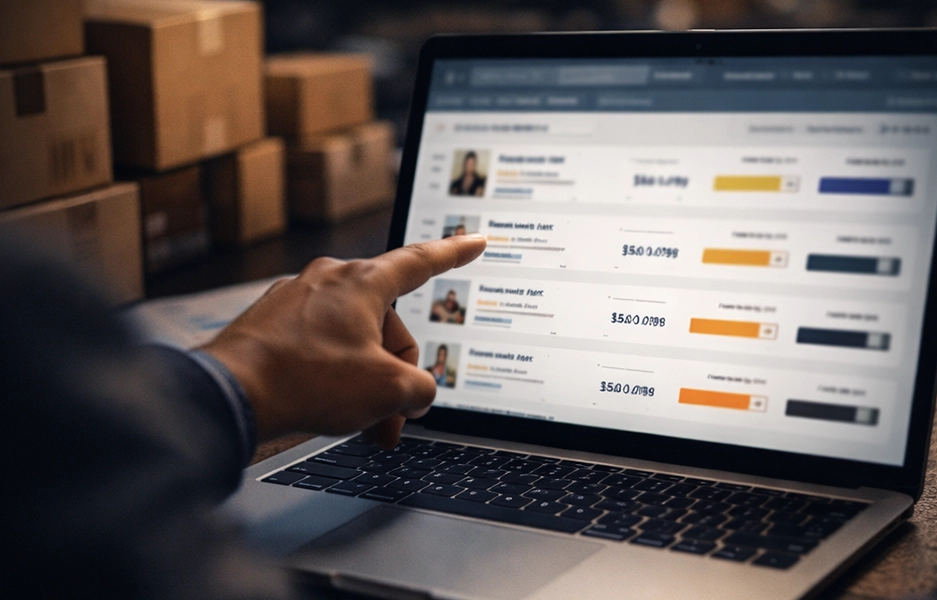
What Is Price Integrity?
Price integrity is the discipline of maintaining fair, consistent, and strategically justified pricing across all your sales channels—online, offline, domestic, and international. It’s about more than just “not violating MAP” or “stopping unauthorized sellers.” Price integrity means:
- Ensuring your prices don’t swing dramatically—neither too low (damaging your brand’s value) nor too high (alienating customers or causing regulatory scrutiny).
- Having every reseller, distributor, and partner adhere to your MAP (Minimum Advertised Price) or similar price policies.
- Making sure that promotions, discounts, and list prices are intentional and align with your brand’s position in the market.
- Creating a trustworthy, predictable experience for customers—no matter where they shop.
In 2026 and beyond, price integrity also means navigating new challenges:
- Tariff increases: As global tariffs rise, supply costs and landed costs fluctuate, so price consistency and communication become even more important to avoid surprises, margin squeezes, or sudden price hikes that hurt your reputation.
- Market volatility: Inflation, currency shifts, and global disruptions can create pressure to cut corners or chase short-term wins—but brands that protect price integrity create long-term equity.
This discipline is closely tied to broader concepts like brand integrity and brand dilution, both of which are directly impacted by inconsistent pricing.
Why Price Integrity Matters (More Than Ever)
1. Builds and Protects Brand Value
If a luxury watch brand is suddenly sold at 90% off on a marketplace, its prestige disappears. If a household essentials brand is price-gouged after a tariff hike, it erodes customer trust and triggers backlash. Price integrity means not only fighting unauthorized discounting, but also avoiding inflated prices that can spark negative headlines or consumer complaints. This is essential to protect brand equity on Amazon.
2. Prevents Channel Conflict and Loss of Trust
Retailers and authorized sellers expect a level playing field. If unauthorized sellers (or even authorized partners) undercut prices—or if liquidation channels dump products at pennies on the dollar—partners lose faith and may stop supporting your brand.
Distribution agreements (that outline pricing requirements and clear boundaries for who can sell, where, and at what price) have become critical safeguards for brands facing increased price pressures from tariffs or supply disruptions. A strong controlled distribution model supports this.
3. Stops Price Wars and Margin Collapse
One below-MAP sale can trigger automated repricers or competitors to start a price war, quickly spiraling into a “race to the bottom.” This becomes especially dangerous during periods of increased supply cost—when tariffs, freight, and materials all get more expensive. Margin erosion can be swift and devastating. Learn more about why price wars happen on Amazon.
4. Protects Against Both Undercutting and Price Gouging
True price integrity means your product never appears in a way that cheapens—or gouges—the customer:
- Luxury and premium brands: Deep discounting destroys perceived value.
- Value and essential brands: Overcharging (especially during shortages or after a tariff hike) damages reputation and can lead to regulatory action.
Maintaining prices within a fair, brand-aligned range preserves credibility, customer loyalty, and regulatory compliance.
5. Buy Box Performance and Marketplace Visibility
On platforms like Amazon, Walmart, and others, price integrity is directly tied to your Buy Box win rate and visibility. External price mismatches or sudden price spikes (up or down) can suppress your listing, causing you to lose sales to competitors or unauthorized sellers. Understanding how the Amazon Buy Box works is key here.
How Tariffs and Market Volatility Make Price Integrity Critical
Recent tariff increases and ongoing supply chain disruptions are raising costs for brands across many categories. Here’s how these changes make price integrity management more urgent:
- Rising costs require transparent, well-communicated price adjustments. Sudden price spikes without explanation may be perceived as gouging. Brands must update MAP policies and pricing structures in line with new costs, then communicate these changes to all partners and channels.
- MAP Monitoring becomes essential. As tariffs drive up prices, it’s easy for sellers to break MAP—either intentionally to clear inventory before a price increase, or by mistake through repricing software. Continuous monitoring helps you catch violations quickly and prevent a domino effect across your channel.
- Distribution agreements must be airtight. Review and update your agreements to ensure they account for rapid price changes, define authorized sales channels, and prohibit diversion or liquidation dumping that could lead to damaging price swings.
- Liquidation monitoring is a must. When unsold or excess inventory is liquidated during cost spikes, products often appear on marketplaces far below MAP, harming price integrity and upsetting both retailers and consumers.
Threats to Price Integrity: Now and Always
- Unauthorized sellers and gray market diversion: Products acquired through unintended channels and sold below MAP (or sometimes above, during shortages or tariff impacts), often tied to parallel imports.
- MAP violations by authorized sellers: Whether accidental or intentional.
- Liquidation and surplus dumping: Deeply discounted goods appearing unexpectedly.
- Counterfeits and knockoffs: Lower-priced fakes distort pricing and expectations, often requiring counterfeit protection.
- Price gouging: Sudden, excessive increases during high demand or crisis periods.
Best Practices: Upholding Price Integrity in 2026
1. Set and Enforce a Clear MAP Policy
- Update MAP to reflect new landed costs from tariff changes.
- Ensure every channel, country, and SKU is covered, and make policies enforceable.
2. Monitor All Prices, Everywhere, 24/7
- Use automated MAP monitoring to catch both underpricing and overpricing in real-time across every channel and marketplace. Tools like MAP monitoring software and MAP enforcement software are critical here.
- Set up alerts for sudden, unexplained price spikes.
3. Strengthen Distribution Agreements
- Make sure agreements specify allowable pricing, channels, and consequences for violations or unauthorized sales.
- Address liquidation and inventory control directly in contracts.
4. Control Liquidation and Overstock Channels
- Monitor and restrict where excess inventory can be sold, and at what price.
- Require buyback, destruction, or authorized liquidation.
5. Data-Driven Auditing and Reporting
- Track pricing trends, outliers, and channel-specific issues using dashboards and audits.
- Quantify the impact of improved price integrity.
6. Transparent Communication and Education
- Proactively explain price changes to retailers and consumers.
- Educate partners on why price integrity matters.
Many brands also reinforce pricing control by combining MAP enforcement with efforts to remove unauthorized sellers and implementing stronger Amazon seller strategies.
Real-World Example: Price Integrity in Action
A brand facing massive Buy Box suppression, inconsistent pricing (both deep discounts and sudden spikes post-tariff), and unauthorized seller chaos turned things around by:
- Deploying round-the-clock MAP monitoring
- Updating and enforcing distribution agreements
- Aggressively monitoring and managing liquidation
- Removing unauthorized sellers through data-driven enforcement
The result? Over 90% Buy Box control, millions in recovered revenue, and restored channel confidence.
Conclusion
Price integrity is more than a policy—it’s your foundation for brand trust, channel health, and long-term growth. In a turbulent economy, brands that stay proactive with MAP monitoring, distribution agreements, and liquidation controls will protect both their margins and their reputation.
Don’t let your prices become a liability—make price integrity a strategic asset.
Want to see where your price integrity stands—and get expert guidance on next steps?
Brand Alignment’s team is ready to help. Contact us here.
Ready for more?
• How to Win the Buy Box on Amazon
• MAP Enforcement and Brand Protection Guide
Protect your price. Protect your brand. Succeed—no matter the market conditions.
Take control of your marketplace presence with fast, effective brand protection strategies.
Every day, unauthorized sellers and MAP violations can erode your pricing, reputation, and revenue. Don’t wait for problems to escalate, start enforcing your policies and reclaim your market authority with our proven tools and expert support.




 Brand Alignment