

Target Plus has quickly become one of the most controlled third-party marketplaces in ecommerce. Unlike Amazon or Walmart, where virtually anyone can create a seller account, Target takes a curated, invite-only approach.
That changes how unauthorized resellers appear—and more importantly, how they’re handled.
For brands, understanding this difference is critical.
Target Plus vs. Open Marketplaces
Most marketplaces are open ecosystems:- Anyone can list products
- Seller identity is often limited or masked
- Enforcement is platform-driven and inconsistent
- Sellers are hand-selected by Target
- Businesses are vetted before onboarding
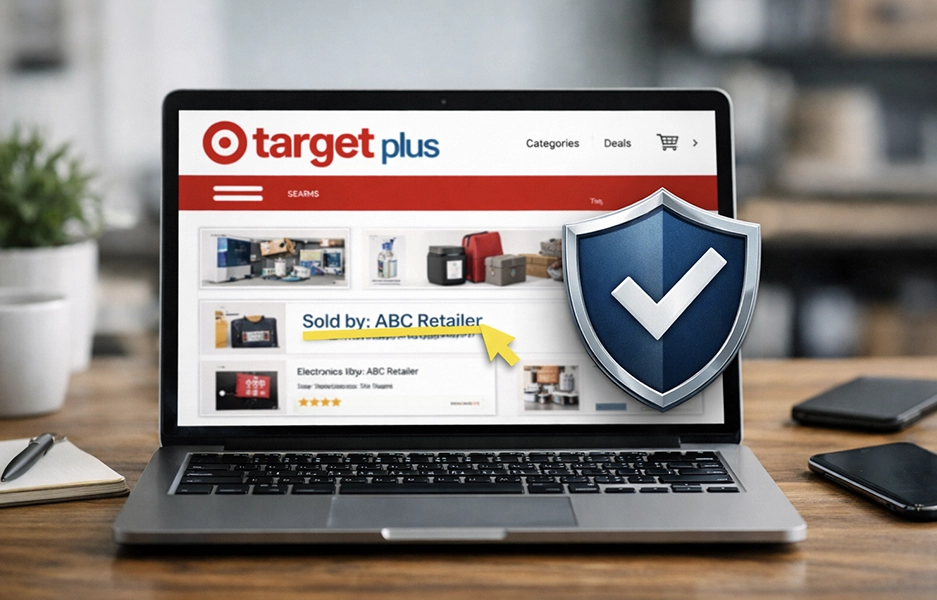
- Seller information is typically transparent and accessible
How Unauthorized Resellers Get on Target Plus
Even with strict onboarding, Target does not verify brand authorization at the SKU level. That means:- A legitimate seller can still be unauthorized for your brand
- Target approves the seller—but not their relationship with you
- Distributors selling outside agreed channels
- Retail arbitrage or liquidation inventory
- Overstock diverted into online marketplaces
How Target Handles Unauthorized Sellers
Here’s the key point: Target does not proactively enforce brand authorization. Their role is to:- Vet sellers at the business level
- Ensure operational reliability (shipping, fulfillment, etc.)
- Check if a seller is authorized by your brand
- Enforce MAP policies
- Remove sellers simply for being unauthorized
The Built-In Advantage for Brands
While Target won’t enforce authorization for you, the platform gives you something Amazon often doesn’t:1. Seller Transparency
Most Target Plus sellers:- Operate under real business names
- Provide contact information
- Maintain a professional presence
2. Higher Compliance Rates
Because sellers are:- Established businesses
- Reputation-conscious
- Dependent on Target approval
- Respond to communication
- Comply with brand policies
- Adjust pricing when challenged
3. Less “Whack-a-Mole” Behavior
On open marketplaces, sellers often:- Disappear and reopen under new accounts
- Hide behind shell entities
- Account recreation is difficult
- Seller identity is more stable
Where Problems Still Occur
Even in a controlled marketplace, unauthorized sellers can still cause real damage.MAP Violations
Unauthorized sellers:- Have no obligation to follow MAP
- Undercut pricing to win conversions
- Price matching across marketplaces
- Buy Box suppression elsewhere
- Price cascading effects
Channel Conflict
Authorized partners will notice:- “Why is this seller undercutting us on Target?”
- “Why isn’t the brand enforcing this?”
- Frustration
- Reduced order volume
- Potential MAP non-compliance from authorized sellers
Brand Control Erosion
Left unchecked, unauthorized sellers:- Normalize inconsistent pricing
- Dilute brand positioning
- Expand into additional marketplaces
What Effective Enforcement Looks Like on Target
Because of the platform’s structure, enforcement should be strategic—not aggressive.Step 1: Identify the Seller’s Position
Before acting, understand:- Are they truly unauthorized?
- Where are they sourcing inventory?
Step 2: Initiate Direct Communication
Target Plus makes this possible—and effective. A typical approach includes:- Professional outreach (not immediate escalation)
- Request for proof of authorization
- Clear explanation of brand policy
Step 3: Escalate When Necessary
If the seller does not cooperate:- Move to formal cease-and-desist communication
- Investigate supply chain sources
- Apply pressure upstream (distributors, retailers)
Step 4: Address the Root Cause
This is where most brands fall short. Removing one seller doesn’t solve:- Distributor leakage
- Liquidation channels
- Internal sales misalignment
The Strategic Takeaway
Target Plus is not a “problem marketplace”—it’s a controlled environment that exposes supply chain weaknesses.- Unauthorized sellers are fewer
- They are easier to identify
- They are more responsive to enforcement
- Take ownership of enforcement
- Communicate directly with sellers
- Control distribution at the source
Thank you for reading our post, “Best Buy Marketplace Enforcement: A Brand’s Guide” We hope you found it helpful.



 Brand Alignment