

Table of Contents
- The Basic Supply Chain Structure
- What Is a Distributor?
- Why Distributors Matter
- What Is a Wholesaler?
- The Key Difference Between Distributor and Wholesaler
- Why Wholesalers Create Marketplace Risk
- What Is a Retailer?
- Retailers and Online Leakage
- How These Layers Affect Amazon Buy Box Stability
- The Complexity Increases with Each Layer
- Which Model Is Right?
- How Brands Can Protect Themselves
- The Hidden Conflict: Sales vs. Control
- Final Thoughts
In the world of eCommerce and retail, the terms distributor, wholesaler, and retailer are often used loosely — sometimes even interchangeably.
But they are not the same.
Each plays a different role in your supply chain. And if you’re a brand selling on Amazon, Walmart, or in brick-and-mortar stores, misunderstanding these roles can lead to:
- Channel conflict
- Unauthorized sellers
- Pricing instability
- Buy Box loss
- Supply chain leakage
If you want true marketplace control, you need to understand how these layers operate — and how they affect your brand.
The Basic Supply Chain Structure
In its simplest form, product movement looks like this:
Brand → Distributor → Wholesaler → Retailer → Consumer
Not every brand uses every layer. Some brands simplify. Others build complex networks.
But each role serves a distinct function.
What Is a Distributor?
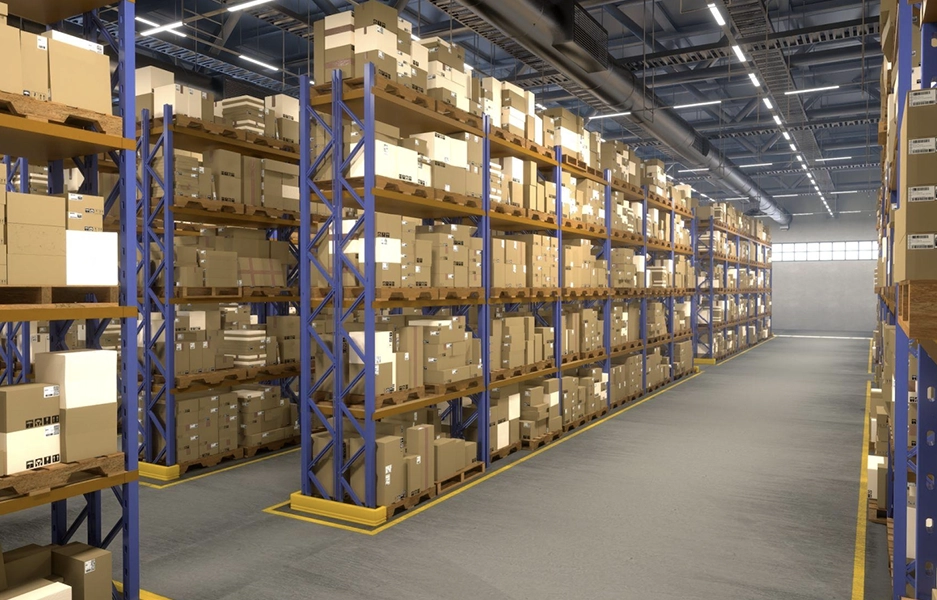
A distributor is typically an authorized intermediary that buys directly from the brand and redistributes product into the market.
They operate at a high level in your supply chain.
Distributor Characteristics:
- Buys in large bulk quantities
- Has a contractual agreement with the brand
- Operates within defined territories
- May have exclusivity rights
- Supplies retailers or wholesalers
- Often provides logistics, warehousing, and regional coverage
Distributors are strategic partners. Their job is to expand your reach. For a deeper breakdown, see using distributors: pros and cons and exclusive distributors.
They are usually vetted, onboarded, and managed directly by the brand.
Why Distributors Matter
Distributors influence:
- Geographic expansion
- Channel development
- Market penetration
- Volume forecasting
But they also create risk.
If distributors:
- Sell outside their authorized territories
- Supply unauthorized resellers
- Divert inventory internationally
You may see:
- Grey market sellers
- MAP violations
- Amazon Buy Box instability
- Price erosion
When brands face unauthorized sellers online, the source often traces back to a distributor-level leak. In these cases, brands often need to remove unauthorized sellers and investigate upstream supply chain behavior.
What Is a Wholesaler?
A wholesaler buys product in bulk and resells it — but may not have a direct contractual relationship with the brand.
Wholesalers can operate:
- Independently
- Regionally
- As middle-layer aggregators
They often purchase from:
- Distributors
- Other wholesalers
- Liquidation sources
- Overstocks
Wholesalers may or may not be authorized by the brand. See also can wholesalers sell on Amazon.
The Key Difference Between Distributor and Wholesaler
While both buy in bulk, the distinction often comes down to authorization and strategic alignment.
| Distributor | Wholesaler |
|---|---|
| Direct relationship with brand | May not have direct relationship |
| Often contractually bound | Often transactional |
| Territory or channel restrictions | Fewer structured restrictions |
| Strategic expansion role | Arbitrage or volume role |
Distributors are typically structured partners.
Wholesalers are often opportunistic volume players.
Why Wholesalers Create Marketplace Risk
Because wholesalers may operate outside direct brand agreements, they can:
- Sell to online resellers
- Supply Amazon sellers indirectly
- Facilitate parallel imports
- Move excess inventory into secondary markets
Wholesalers often act as the bridge between structured distribution and unauthorized resale.
If you’re seeing 10+ sellers on your Amazon listing, wholesalers may be part of the equation. Understanding wholesale vs direct-to-consumer models can help clarify how inventory flows into the market.
What Is a Retailer?
A retailer sells product directly to the end consumer.
Retailers can be:
- Brick-and-mortar stores
- Big box chains
- Online marketplaces
- Independent eCommerce stores
Examples include:
- Walmart
- Target
- Best Buy
- Local specialty stores
- Amazon (when operating as a retailer via Vendor Central)
Retailers are the final layer before the customer.
Retailers and Online Leakage
Retailers create a different kind of risk.
If they:
- Discount heavily
- Run clearance events
- Liquidate inventory
- Fail to enforce online sales restrictions
Resellers may:
- Purchase product in bulk
- Flip it onto Amazon
- Undercut your pricing
This is called retail arbitrage.
Retailers don’t typically intend to create unauthorized sellers — but their pricing decisions can fuel them. Some retailers actively find ways around pricing rules, as explained in how retailers avoid MAP policy.
How These Layers Affect Amazon Buy Box Stability
Let’s walk through a common scenario:
- Brand sells to Distributor.
- Distributor sells to Wholesaler.
- Wholesaler sells to multiple small resellers.
- Resellers list product on Amazon via FBA.
- They undercut pricing to win the Buy Box.
The brand now sees:
- Multiple sellers
- Price cascading
- Authorized retailer frustration
- Buy Box suppression
The issue didn’t start on Amazon.
It started upstream.
That’s why focusing only on removing sellers is reactive. Brands often need structured Buy Box recovery and MAP monitoring to stabilize performance.
The Complexity Increases with Each Layer
The more layers in your distribution model, the greater the risk of:
- Inventory diversion
- Parallel imports
- MAP violations
- Channel conflict
- Buy Box volatility
A simple model:
Brand → Retailer
Creates fewer leak points.
A complex model:
Brand → Distributor → Wholesaler → Retailer → Secondary Market
Creates exponential enforcement challenges.
Which Model Is Right?
There is no universal answer.
Direct-to-Retail Model:
- Higher control
- Lower complexity
- Slower expansion
Multi-Layer Distribution:
- Faster market penetration
- Higher volume potential
- Greater risk of leakage
The key is not eliminating layers — it’s managing them intentionally.
How Brands Can Protect Themselves
If you operate with distributors and wholesalers, consider:
1. Strong Distribution Agreements
- Territorial restrictions
- Online sales limitations
- Audit rights
- Penalty clauses
2. Purchase Monitoring
- Unusually large bulk orders
- Orders inconsistent with geography
- Suspicious buying patterns
3. Do Not Sell Lists
4. Serial Number or Lot Tracking
5. Marketplace Monitoring
Track:
- Seller count
- Inventory levels
- Fulfillment method
- Buy Box ownership
Marketplace issues are often supply chain issues in disguise. This is why brands implement Amazon MAP enforcement and broader Walmart brand protection.
The Hidden Conflict: Sales vs. Control
Many brands struggle internally because:
- Sales teams want volume.
- Brand protection teams want discipline.
Large distributor orders may look good on a revenue report — but if those units end up destabilizing your Amazon channel, long-term damage can outweigh short-term gains.
Alignment between sales and marketplace control is critical.
Final Thoughts
Distributor, wholesaler, and retailer are not interchangeable roles.
They represent different control points in your supply chain.
Distributors expand your reach.
Wholesalers expand your volume.
Retailers reach the consumer.
But each additional layer increases the risk of:
- Unauthorized sellers
- Pricing instability
- Buy Box loss
- Channel conflict
If you’re facing marketplace disruption, don’t just ask:
“Who is selling my product?”
Ask:
“How did they get it?”
Because the real solution is rarely at the listing level.
It’s in the supply chain.
Take control of your marketplace presence with fast, effective brand protection strategies.
Every day, unauthorized sellers and MAP violations can erode your pricing, reputation, and revenue. Don’t wait for problems to escalate, start enforcing your policies and reclaim your market authority with our proven tools and expert support.


 Brand Alignment