

How It Happens, Why It Matters, and How Brands Can Prevent It
Introduction
In the fast-paced world of modern commerce, a brand is far more than a logo or a catchy slogan. It’s a promise—of quality, consistency, and trust. But what happens when that promise starts to fade, weaken, or lose its meaning? This is the risk of brand dilution—one of the most serious and misunderstood threats facing today’s businesses. Brand dilution can silently erode your competitive advantage, market share, and the very value that makes your business unique. Whether you’re managing a global powerhouse or an emerging direct-to-consumer brand, understanding and preventing dilution is essential to protect your reputation and future growth. This article will explain what brand dilution is, why it matters, how it occurs, and what you can do to keep your brand strong and focused.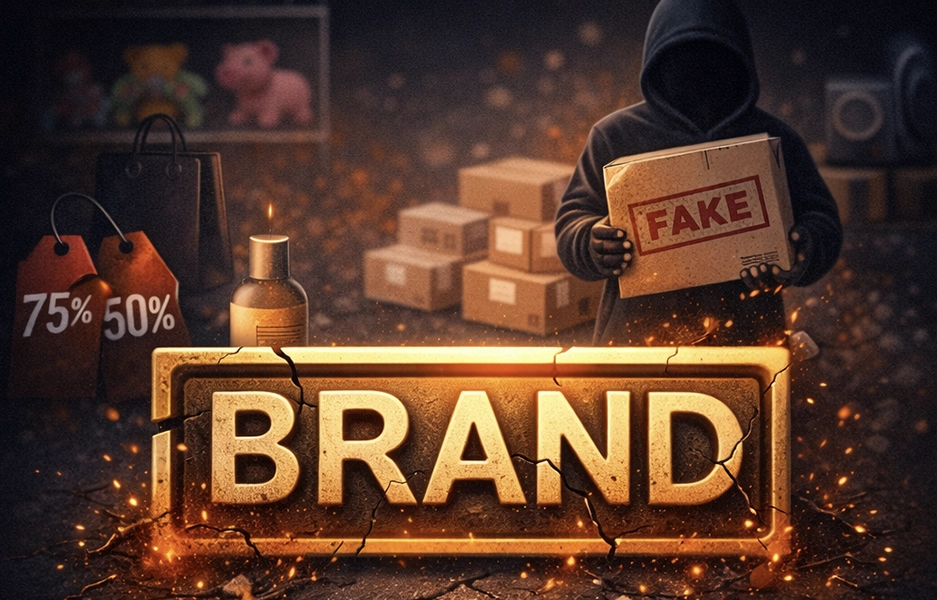
What Is Brand Dilution?
Brand dilution is the weakening of a brand’s identity, meaning, and perceived value due to overextension, misuse, or uncontrolled exposure. When a brand becomes diluted, its distinctiveness in the minds of consumers erodes—leading to confusion, loss of loyalty, and declining influence in the marketplace.
In simple terms, brand dilution occurs when a brand is spread too thin or associated with things that don’t align with its core values or reputation. The result? Customers are less likely to recognize, value, or trust what your brand stands for.
The Causes of Brand Dilution
Brand dilution doesn’t happen overnight. It’s usually the result of one or more of the following factors:
1. Overextension of the Brand
When brands launch too many new products, enter unrelated categories, or try to appeal to every possible market, they risk confusing consumers. Not every extension is a bad idea—but when a brand stretches too far from its original promise or expertise, customers begin to question what it really stands for.
Example: A premium chocolate brand suddenly launches a line of frozen dinners. Loyal customers may wonder: “Is this still the brand I love, or just another generic food company?”
2. Uncontrolled Licensing or Partnerships
Allowing third parties to use your brand name on their products can be profitable—but only if you strictly control quality and relevance. Unmonitored licensing can lead to your brand appearing on low-quality or off-brand products, damaging its perceived value.
Example: A high-end fashion label licenses its name to a discount shoe manufacturer. If the shoes fall apart or feel cheap, consumers will blame the fashion brand, not the manufacturer.
3. Counterfeiting and Unauthorized Sellers
Counterfeit goods and unauthorized online sellers flood the market with products bearing your brand’s name, often at lower prices and inferior quality. Customers who buy these products and have a bad experience will often associate that experience with your brand, not the counterfeiter. This is why many brands invest in counterfeit protection and programs to remove unauthorized sellers.
4. MAP Violations and Price Erosion
If your products are routinely discounted far below the intended price, especially online, your brand can lose its sense of exclusivity or prestige. Price wars signal to the market that your brand isn’t in control and that your products may not be as valuable as claimed. This is closely tied to price integrity, and many brands use MAP monitoring software and MAP enforcement software to protect it.
5. Inconsistent Messaging and Visual Identity
When a brand’s messaging, logo, packaging, or tone varies widely across channels, regions, or campaigns, it chips away at the clarity that customers need to recognize and trust a brand.
The Risks and Impact of Brand Dilution
Brand dilution carries real, quantifiable risks that can affect every area of your business:
1. Loss of Brand Equity
Brand equity is the value that a strong brand brings to a product—allowing you to command higher prices, secure prime shelf space, and win customer loyalty. Dilution reduces this value, making your brand interchangeable with lesser-known or generic competitors. For a deeper look, see how to protect brand equity on Amazon.
2. Customer Confusion and Defection
If customers can’t easily understand what your brand stands for, or if they have inconsistent experiences, they’re more likely to switch to competitors who provide a clearer promise.
3. Channel and Retailer Frustration
Authorized retailers invest in promoting and stocking your brand. If the market is flooded with unauthorized products, steep discounts, or inconsistent experiences, partners will lose confidence and may drop your line.
4. Weakened Legal Protections
If your brand name is used too broadly or without control, it may become “genericized” or lose its trademark protections. This makes it harder to fight off copycats, counterfeiters, and opportunistic sellers.
5. Long-Term Revenue Decline
Brand dilution doesn’t always cause an immediate drop in sales. But over time, weakened brand power translates to lower pricing, lost market share, and more expensive customer acquisition.
Real-World Examples of Brand Dilution
- Luxury Brands and Discounting: Iconic luxury names have seen their brand power eroded by heavy discounting online and through unauthorized outlets. When luxury products are routinely available at 50% or more off, they lose their aspirational appeal.
- Over-Licensing Gone Wrong: A beloved children’s character appears not just in books, but on toothpaste, t-shirts, snacks, and even budget hotel chains. Parents begin to tune out the brand’s value, seeing it as just another logo-for-hire.
- Tech Brands Overreaching: An innovative electronics company enters too many unrelated product categories (e.g., kitchen appliances, fitness equipment), and its reputation for cutting-edge design is replaced by confusion and skepticism.
How to Prevent Brand Dilution
Brand dilution isn’t inevitable. With a disciplined, proactive approach, companies can grow and innovate while keeping their core brand identity intact. Here are key strategies:
1. Protect and Enforce Your Brand
- Use strong trademark protections globally, and actively pursue infringers.
- Monitor for counterfeits and unauthorized sellers online and offline.
- Enforce MAP (Minimum Advertised Price) policies to prevent harmful discounting.
2. Strategic Brand Extensions Only
- Expand into new categories with a clear, logical connection to your brand’s core promise.
- Test extensions with loyal customers first.
- Avoid the temptation to chase every trend or opportunity—if it doesn’t fit, say no.
3. Control Licensing and Partnerships
- Only license your brand to partners who can maintain your quality and reputation.
- Regularly audit licensees and require approval for product development, packaging, and marketing.
- Avoid “logo slapping” for short-term revenue.
4. Ensure Consistent Brand Messaging and Visuals
- Maintain clear, centralized brand guidelines for logos, color schemes, voice, and customer experience.
- Train all internal teams, agencies, and partners on these guidelines.
- Regularly audit your digital and physical presence for off-brand messaging.
5. Channel Discipline
- Vet new distribution partners carefully and limit the number of authorized resellers.
- Take swift action against unauthorized or rogue sellers.
- Monitor inventory and liquidation channels to prevent leaks that fuel discounting or brand confusion.
6. Listen to the Market
- Monitor customer reviews, social sentiment, and sales data for early signs of brand confusion or dissatisfaction.
- Be willing to sunset or recall brand extensions or products that don’t perform or align with your values.
The Bottom Line
Brand dilution is a silent threat. Left unchecked, it can sap the strength from even the most powerful brands—eroding trust, blurring differentiation, and shrinking your bottom line. But it’s not an unstoppable force. Brands that define their core promise, maintain discipline in every channel, and enforce quality and pricing standards can grow successfully without losing what makes them special.
In a world where competition is fierce and attention is fleeting, protecting your brand from dilution isn’t just a marketing priority—it’s a business imperative. Brand discipline is also closely connected to brand integrity, strong channel strategy through a controlled distribution model, and tighter protections around diversion such as parallel imports. For brands using authentication tools, it can also work alongside systems like Amazon Transparency and Interoperability.
Ready to assess your brand’s vulnerability to dilution?
Our team at Brand Alignment specializes in protecting brands from unauthorized sellers, counterfeiting, and price erosion. Contact us for a strategic consultation and actionable plan.
Protect what makes your brand unique. Invest in your reputation—and watch the value compound for years to come.
Take control of your marketplace presence with fast, effective brand protection strategies.
Every day, unauthorized sellers and MAP violations can erode your pricing, reputation, and revenue. Don’t wait for problems to escalate, start enforcing your policies and reclaim your market authority with our proven tools and expert support.


 Brand Alignment