
For many brands, the first time they encounter a hijacker or piggyback seller on Amazon, there’s confusion: “If the product isn’t counterfeit, how are these sellers getting it?” The uncomfortable truth is that most hijackers and piggybackers aren’t forging your goods—they’re reselling the real thing by exploiting vulnerabilities in your supply chain or distribution strategy. Here’s how they do it—and what your brand can do to regain control. For a broader overview of this issue, start with our pillar guide on how to deal with an Amazon hijacker.
The Legal Foundation: First Sale Doctrine
First, it’s important to understand why Amazon—and U.S. law—permits this practice. The First Sale Doctrine allows anyone who legally acquires a genuine product to resell it, regardless of their relationship to the brand. On Amazon, as long as a seller’s inventory is “new” and authentic, they can list under your ASIN—even if they have no contract with you and ignore your pricing policies. This legal reality is a major reason why brands often discover an Amazon listing hijacked but the product is real.
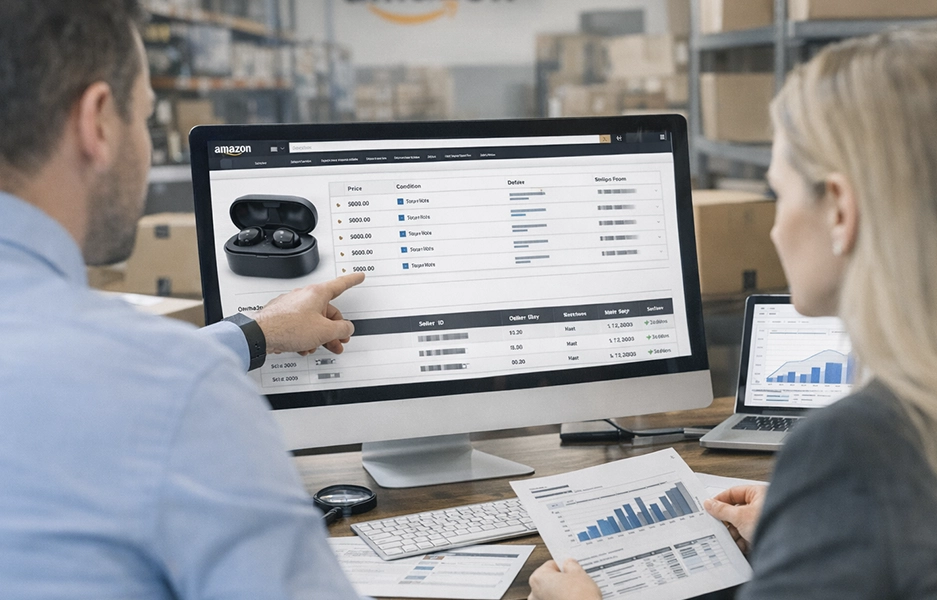
Main Ways Hijackers Acquire Authentic Product
1. Gray Market Diversion
This is the most common source. Products originally meant for international markets or specific authorized retailers are sold to third parties who re-import and list them on Amazon. These may include:
- Regional distributors over-ordering and liquidating excess stock to gray market brokers
- Retailers quietly offloading inventory to unauthorized resellers, violating distribution contracts
In many cases, brands dealing with hijackers are actually facing a gray market problem. That is why it helps to understand whether grey market activity is legal and how it affects channel control.
2. Liquidation & Overstock
Every year, millions of units end up at liquidators via store closures, overstock situations, or failed promotions. Savvy hijackers buy pallets of this excess inventory at a discount and then resell on Amazon, piggybacking your listing to offer genuine goods. If this sounds familiar, you may want to review how pallets end up on Amazon.
3. Retail Arbitrage & Promotional Abuse
Some piggyback sellers exploit flash sales, coupon stacking, and store promotions. By buying at a deep discount—sometimes in bulk—they can undercut your MAP price on Amazon and still make a profit.
4. Authorized Seller Leaks
Even your trusted partners may become sources of unauthorized inventory. They might intentionally resell to make quick cash, or unintentionally leak supply by not vetting their own buyers. Without tight controls, this can happen repeatedly. Brands facing this issue often need a tighter distribution control strategy and clearer rules around who can sell where.
Why Do Hijackers Target Your Brand?
The answer is simple: opportunity. Amazon’s platform, combined with consumer trust and the visibility of your listings, creates an ideal environment for piggybackers to siphon revenue. Their motivations include:
- Low barrier to entry: Anyone with real product can list under your ASIN.
- Pricing arbitrage: By ignoring MAP, they attract buyers looking for the lowest price.
- Anonymity: Many piggybackers use shell companies, false addresses, or constantly rotate seller accounts to avoid detection or consequences.
This is also why many brands start by asking what Amazon seller piggybacking actually looks like in practice and how it differs from counterfeit activity.
What Are the Risks to Your Brand?
Even when only authentic product is being sold, piggybacking and hijacking create significant problems:
- Price Erosion: Without MAP enforcement, prices spiral down, hurting your brand value and angering authorized partners. Many brands use Amazon MAP monitoring to detect these violations early.
- Buy Box Suppression: When hijackers undercut price, you lose the Buy Box—and all the sales that come with it. For brands already feeling the revenue impact, Amazon Buy Box Recovery Program support can help restore control faster.
- Channel Conflict: Retailers and distributors stop trusting you when unauthorized sellers undercut them online.
- Brand Reputation Damage: Negative experiences with a piggybacker (slow shipping, poor packaging, returns mishandled) create negative reviews on your listing.
How Does Brand Alignment Solve This?
Our team specializes in helping brands find, trace, and eliminate these sources:
1. Supply Chain Diagnostics
We audit your distribution and fulfillment data, perform test buys, and track serial numbers or lot codes to uncover leaks.
2. Gray Market & Piggyback Monitoring
Through real-time monitoring of all sellers on your ASINs, we spot unauthorized listings as soon as they appear, providing immediate intelligence on the scope and scale of the problem. For brands that need broader visibility beyond Amazon, global Amazon price monitoring service can help identify seller and pricing activity across marketplaces.
3. Enforcement & Prevention
We execute a proven process: send structured cease and desist letters, escalate enforcement for non-compliance, and help you implement contract language and “Do Not Sell” lists to lock down your supply chain. This approach achieves removal rates of over 95% for our clients. If you are comparing next steps, you may also want to review how to stop piggyback sellers and when brands need more formal seller removal action.
4. Ongoing Strategy & Partnership
We partner with you long-term to ensure channel integrity, optimize MAP enforcement, and strengthen your brand against future piggybacking threats. In cases where hijackers are selling real inventory, the issue is often not counterfeit at all, which is why this guide on Amazon hijacker not counterfeit can also be helpful.
The Takeaway
Hijackers and piggyback sellers don’t need to sell counterfeits to do serious damage—they just need a leak in your supply chain. By understanding how they source authentic goods, brands can take focused action to protect listings, preserve pricing, and defend the customer experience.
Would you like a supply chain audit to see how authentic inventory is reaching unauthorized sellers? Connect with Brand Alignment
Take control of your marketplace presence with fast, effective brand protection strategies.
Every day, unauthorized sellers and MAP violations can erode your pricing, reputation, and revenue. Don’t wait for problems to escalate, start enforcing your policies and reclaim your market authority with our proven tools and expert support.


 Brand Alignment