
Table of Contents
- A Clear Guide for Brands Navigating Online Channel Control
- Why Brands Want to Takedown Resellers
- U.S. Law: The First Sale Doctrine
- Amazon’s Policy: Platform Rules vs. Legal Rules
- Legal Grounds for Banning or Takedown
- What Brands Cannot Do
- Best Practices: Legal, Effective Channel Control
- For Resellers: Know the Risks
- The Bottom Line
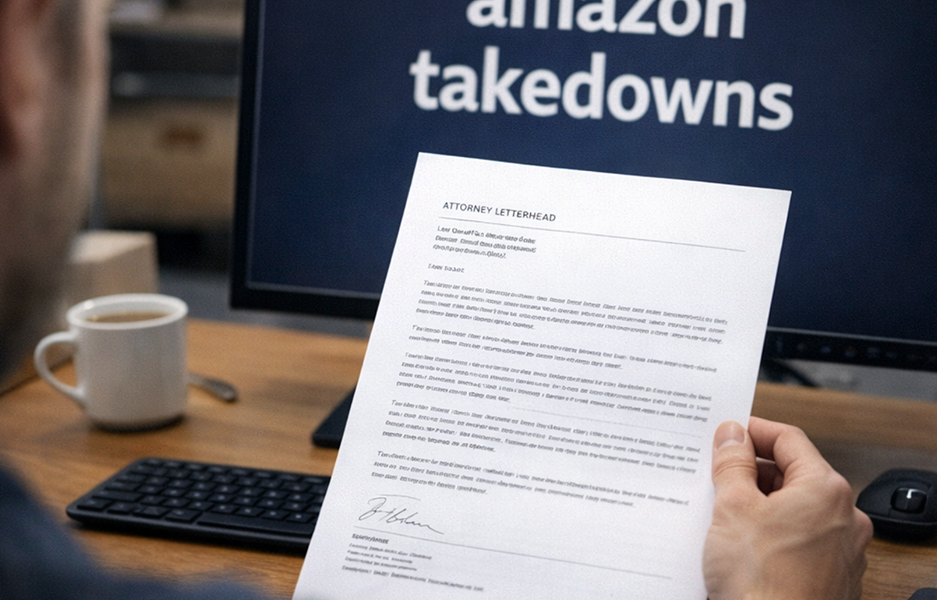
A Clear Guide for Brands Navigating Online Channel Control
With Amazon’s marketplace powering a huge portion of today’s e-commerce sales, brands face increasing threats from unauthorized resellers—those who list genuine products on Amazon without the brand’s approval. These resellers often undercut MAP, disrupt authorized channels, and create headaches for brand managers trying to protect value and reputation.
The big question: Is it legal to ban or takedown Amazon resellers? Or, put another way: Can brands use legal or platform tools to force third parties off their Amazon listings?
The answer is nuanced. In the U.S., brands can’t “ban” all resellers at will—but they can limit unauthorized sales with strategic action. Many companies address this challenge through structured Amazon brand protection strategies that combine monitoring, enforcement, and supply chain control.
Here’s what’s legal, what works, and what to avoid.
Why Brands Want to Takedown Resellers
Brands spend years building trusted sales channels and customer loyalty. When unauthorized resellers appear on Amazon, the consequences can include:
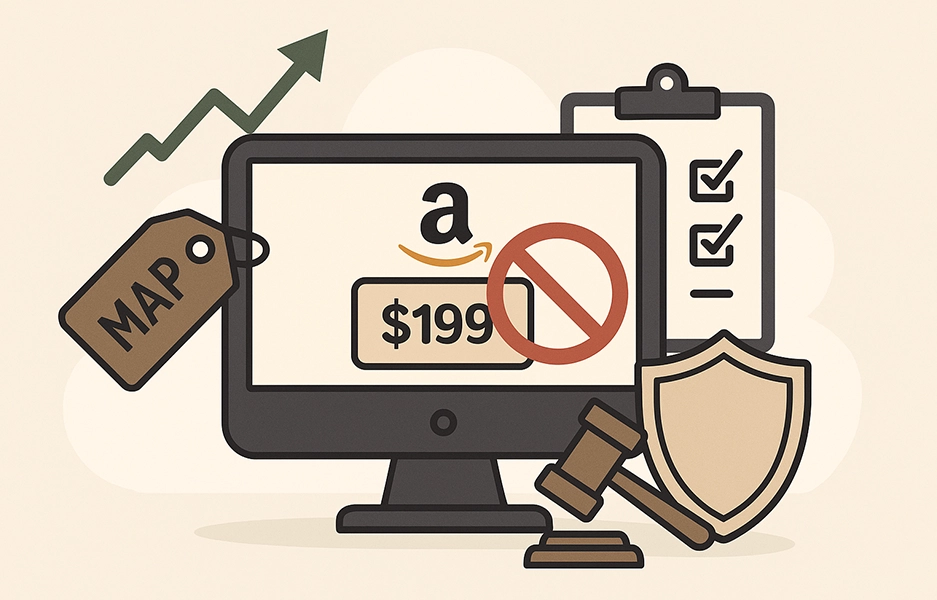
- MAP Violations: Price undercutting erodes profit and frustrates authorized partners. Many brands implement Amazon MAP monitoring to detect pricing instability early.
- Loss of Buy Box: Unauthorized sellers with the lowest price often win the Buy Box, diverting revenue and brand control. Understanding how the Amazon Buy Box works is critical when multiple sellers compete on the same listing.
- Negative Reviews: Products sold without proper support, warranty, or quality control can lead to negative feedback—damaging the brand, not the unauthorized seller.
- Channel Conflict: Retailers and authorized distributors lose incentive to promote the brand if third parties can undercut them online.
Given these risks, it’s no surprise brands are eager to police their listings. But what does the law allow?
U.S. Law: The First Sale Doctrine
The First Sale Doctrine is the foundation of U.S. resale law. It says that once a brand sells a genuine product, the new owner has the right to resell it—including on Amazon—even if the brand objects.
What this means for Amazon:
- Brands cannot simply “ban” every unauthorized seller of their products.
- If a reseller lists authentic, unaltered goods, their right to sell is generally protected by law.
Exception: If a reseller is selling counterfeit, altered, or “materially different” goods (for example, foreign versions lacking a U.S. warranty or support), brands have legal standing to act against them—often for trademark infringement.
Amazon’s Policy: Platform Rules vs. Legal Rules
Amazon is not the law, but its rules matter.
Amazon’s platform policies are designed to balance a free marketplace with consumer trust and brand protection.
Amazon allows:
- Multiple sellers to list the same product as long as it’s authentic and matches the listing.
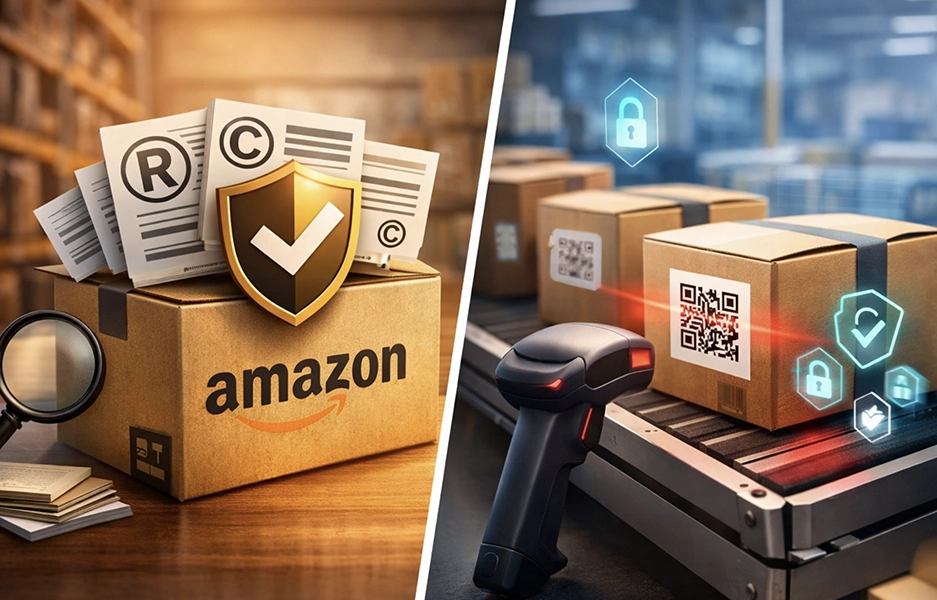
- Brands and rights owners to report counterfeit, copyright, and trademark violations.
- Enrollment in Amazon Brand Registry, which gives brands additional tools for controlling listings and reporting abuse.
Amazon prohibits:
- The sale of counterfeit, used-as-new, or materially misrepresented products.
- Listing products without proper rights, using copyrighted images, or misleading customers.
If you can prove a reseller is breaking Amazon’s rules, you can request takedowns. But you cannot use Amazon’s systems to ban legitimate resellers who are playing by the rules.
Legal Grounds for Banning or Takedown
Brands can seek Amazon removal or legal action against resellers only when one or more of the following apply:
1. Counterfeiting
If the products are fake, infringe trademarks, or are misrepresented, brands can take direct legal action and file reports with Amazon. Many brands learn how to report counterfeit products on Amazon when addressing these cases.
2. Material Differences
If products are missing key features, packaging, warranty, instructions, or support, they may be considered “materially different.” This is grounds for a trademark complaint, as the product is no longer “genuine” in the legal sense.
3. Copyright and IP Infringement
If a reseller uses the brand’s photos, logos, or copy without permission, brands can file copyright or trademark complaints for content removal. Understanding the difference between complaints can help when evaluating IP complaints vs. policy violations on Amazon.
4. Violation of Marketplace Policy
If a reseller violates Amazon’s policy—such as by selling used goods as new, manipulating reviews, or misrepresenting the product—brands can report and often remove them from the listing.
5. Brand Gating
Some brands, after significant investment, can secure Amazon “gating,” restricting who can list their products. Gating is rare and only available to select brands, but it is a legitimate pathway to tighter control.
But:
Brands cannot file false complaints or harass legitimate resellers just to limit competition. This exposes the brand to legal action, Amazon penalties, and reputation damage.
What Brands Cannot Do
- Ban all third-party resellers of authentic, unaltered products.
- File false IP complaints to remove legitimate listings.
- Collude with competitors to fix prices or exclude sellers (antitrust violations).
- Use MAP or pricing policies to directly control final sale prices (as opposed to advertised prices).
Best Practices: Legal, Effective Channel Control
If you’re seeking to limit unauthorized Amazon resellers, here’s a proven approach:
1. Tighten Supply Chain and Distribution
Use contracts to restrict authorized distributors’ resale rights. Many brands implement a formal distribution control strategy and audit regularly for leaks and diversion.
2. MAP Monitoring and Enforcement
Monitor for MAP violations using software and proactive outreach. Remove supply from repeat violators through structured MAP enforcement programs.
3. Amazon Brand Registry
Register your brand for access to Project Zero, automated IP enforcement, and advanced reporting.
4. Cease & Desist and Graduated Enforcement
Send formal notices to unauthorized resellers. Many will voluntarily remove listings to avoid risk.
5. IP Enforcement
Only file complaints when you have clear evidence (counterfeits, trademark/copyright violation, material differences).
6. Platform Relationships
Develop a direct relationship with Amazon’s brand protection or legal team for complex cases.
For Resellers: Know the Risks
If you’re reselling branded products:
- Only source authentic inventory.
- Keep detailed records to prove authenticity.
- Avoid altering packaging, removing warranties, or misrepresenting your connection to the brand.
- Respect IP rights—don’t use logos, photos, or descriptions without permission.
The Bottom Line
Is it legal to ban or takedown Amazon resellers?
Not completely—but brands have significant, targeted tools for channel control when violations occur.
Success requires a strategic mix of legal understanding, platform policy, proactive monitoring, and consistent enforcement—not just legal threats or mass takedown requests.
If your brand is struggling with unauthorized Amazon resellers or wants to build a compliant channel control program, our team at Brand Alignment delivers real-world solutions—from monitoring and MAP enforcement to expert Amazon strategy. Contact us here to see how we can help protect your marketplace presence.
This article is for informational purposes only and does not constitute legal advice. For complex enforcement, always consult an attorney experienced in e-commerce, intellectual property, and marketplace law.


 Brand Alignment