

For brands and sellers, the Amazon Buy Box isn’t just a convenience—it’s the single biggest driver of sales on the platform. But if you’re sharing your listing with other sellers (authorized or otherwise), you might notice the Buy Box seems to “rotate” between them. Why does this happen? What factors drive Buy Box rotation—and how can you maximize your share?
Let’s break down the reality behind Buy Box rotation and what you can do about it.
What is the Amazon Buy Box?
The Buy Box is the prominent “Add to Cart” button on an Amazon product page. Whichever seller “wins” the Buy Box gets most of the sales for that listing—often 80–90% or more.
When multiple sellers offer the same product (same ASIN), Amazon decides who gets the Buy Box based on its algorithm. If no single seller meets all requirements, the Buy Box may be suppressed—forcing shoppers to click “See All Buying Options.”
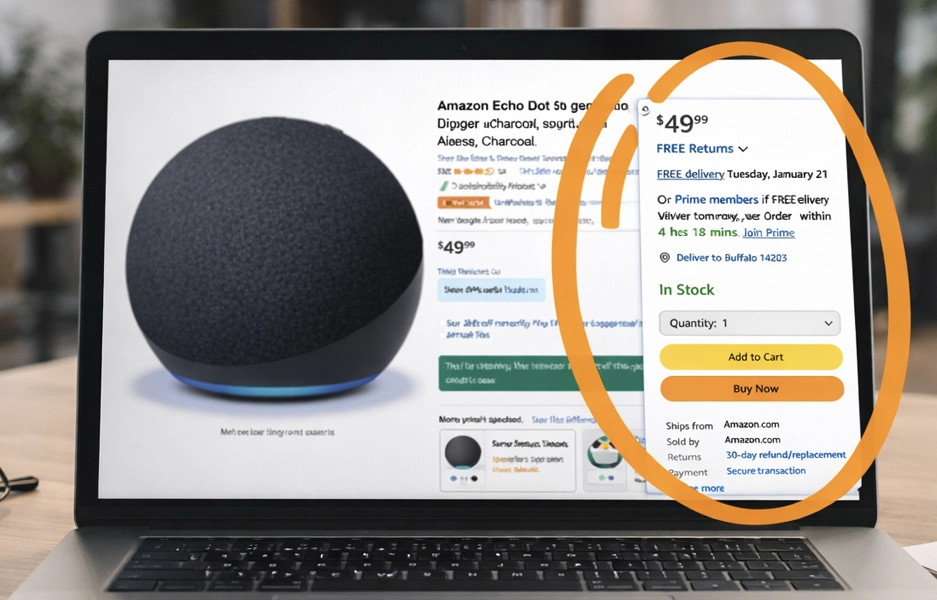
What Does “Buy Box Rotation” Mean?
Buy Box rotation is the process by which Amazon alternates the Buy Box between different sellers over time, rather than letting one seller dominate 100% of the time.
You might notice your Buy Box percentage fluctuates—even if your price and shipping are competitive.
How Does Amazon Decide Who Gets the Buy Box?
Amazon’s Buy Box algorithm is complex, but the main drivers are:
- Price: Lowest total price (item + shipping) usually wins, but it’s not the only factor.
- Fulfillment Method: FBA (Fulfilled by Amazon) and Seller-Fulfilled Prime often have an edge.
- Seller Performance: Order defect rate, shipping speed, feedback, and metrics matter.
- Inventory Levels: Running low on stock can reduce Buy Box eligibility.
- Account Health: Suspensions, late shipments, or policy violations hurt your chances.
- Location and Prime Eligibility: Proximity to the customer and fast Prime shipping help.
Vendor Central (Amazon Retail): If Amazon Retail (Vendor Central) is selling on the listing, they are often favored by the algorithm. Vendor Central typically gets a higher weighted share of the Buy Box, especially if their price is competitive and they’re in stock. However, they do not receive the Buy Box 100% of the time—other sellers with excellent performance, fulfillment, and pricing can still win or rotate into the Buy Box when Amazon Retail is present.
Recommended article: Why Amazon Suppresses The Buy Box and How to Fix It
Why Does the Buy Box Rotate Between Sellers?
1. Algorithmic Fairness
Amazon wants to foster competition and maintain a healthy marketplace. If multiple sellers are “Buy Box eligible”—meaning they meet minimum standards for price, fulfillment, and performance—the Buy Box will often rotate between them to “share” sales, especially if their offers are nearly identical.
2. Inventory and Regional Coverage
If one seller runs low on inventory, Amazon may rotate the Buy Box to another seller with available stock. Amazon also tries to optimize delivery speeds by offering the Buy Box to sellers closest to the customer (regionally), so the Buy Box winner can change based on the shopper’s location.
3. Price Parity and Policy Compliance
If a seller’s price is matched by another eligible seller, Amazon can split the Buy Box time between them. However, sudden price drops, MAP violations, or external price matching (on other retail websites) can shift or suppress the Buy Box entirely.
4. Performance and Historical Metrics
Amazon monitors seller metrics over time. Even small fluctuations in feedback, fulfillment speed, or late shipments can influence how much Buy Box share a seller receives. Consistency is key.
When Buy Box rotation becomes unstable or unpredictable, the issue is rarely just price or fulfillment. In many cases, brands are dealing with deeper marketplace control problems — including unauthorized sellers, external price conflicts, or internal MAP breakdowns.
In these situations, a structured diagnostic approach is required before meaningful recovery can begin.
The Vendor Central Effect: Does Amazon Retail Always Win?
Many brands believe that if Amazon Retail (Vendor Central) is on the listing, they are guaranteed the Buy Box 100% of the time. While Vendor Central does have a significant advantage—thanks to Amazon’s control over pricing, logistics, and stock—it’s not absolute.
- Vendor Central often receives the majority of Buy Box share when their price is competitive and they’re in stock.
- However, if other sellers meet or beat Amazon’s offer, or if Vendor Central is out of stock, the Buy Box will rotate to those sellers—especially if they are using FBA, have great seller metrics, and offer fast shipping.
- In certain categories, Amazon may intentionally allow third-party sellers to win or share the Buy Box for strategic reasons, such as supply, competition, or fulfillment speed.
Bottom line: Vendor Central usually gets the edge, but the Buy Box can—and does—rotate to other high-performing sellers.
Common Misconceptions
– It’s Random: Buy Box rotation isn’t random—Amazon’s algorithm uses dozens of weighted criteria.
– Lowest Price Always Wins: Price is critical, but fulfillment method, Prime eligibility, and seller performance matter just as much.
– The Brand or Amazon Retail Always Wins: Even if you’re the brand owner, or even Amazon Retail, you can lose Buy Box share if another seller offers a better overall value and experience.
How Can You Maximize Your Buy Box Share?
1. Monitor Your Metrics
Track your pricing, fulfillment, order defect rates, and stock levels. Stay “Buy Box eligible” at all times.
2. Align With MAP Policies
If you have authorized resellers, ensure they comply with MAP to avoid destructive price wars that can lower everyone’s Buy Box share.
3. Keep Inventory Healthy
Don’t let your stock run out—inventory gaps will cause you to lose Buy Box share to others.
4. Consider Fulfillment by Amazon (FBA)
FBA and Seller-Fulfilled Prime offer a significant edge in Buy Box rotation, thanks to fast, reliable shipping.
1. Monitor Your Metrics
Use Buy Box analytics tools to see who’s sharing your Buy Box and why. Address unauthorized sellers and pricing issues proactively.
Final Thought
Buy Box rotation isn’t just about price—it’s about overall performance, fulfillment, policy compliance, competition with Amazon Retail, and more. If you want to maximize your Buy Box share, you need to monitor all the moving parts and act quickly when issues arise.
Want a deeper analysis or need help regaining Buy Box dominance?
Our team will show you what’s driving your Buy Box results—and how to secure your share.


 Brand Alignment